Evolution of Trains: A Complete Guide to Railway History
Trains have transformed the way people travel, cities develop and goods move around the world. From early horse-drawn wagons to powerful steam locomotives, electric railways and modern bullet trains, the evolution of trains is one of the most fascinating stories in transportation history.
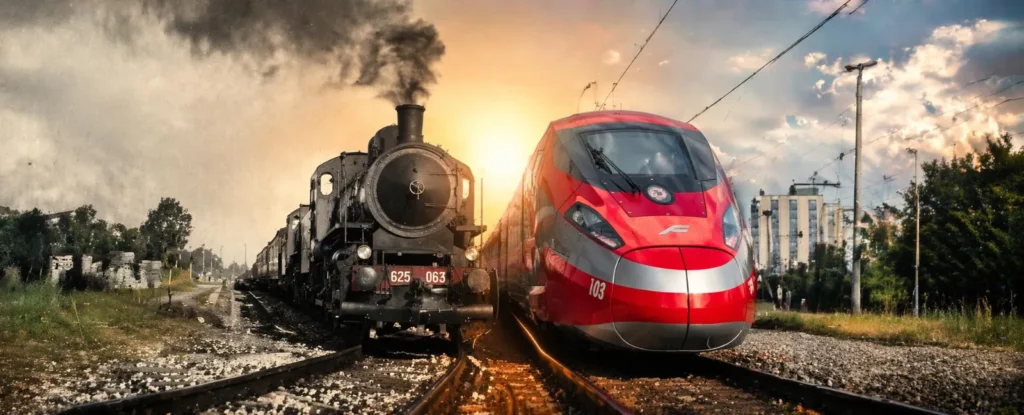
The history of trains spans centuries of engineering discoveries and technological improvements. Early railways helped move heavy materials, steam locomotives transformed industry, and high-speed trains made it possible to connect distant cities in just a few hours.
But how were trains invented? What different types of trains exist today? And what might railway transportation look like in the future?
This guide introduces the history, technology, major inventions and global importance of trains. You can also explore our detailed railway timelines, regional histories and educational articles.
What Is a Train?
A train is a railway vehicle, or a connected group of railway vehicles, designed to transport passengers or goods along a guided route.
Most conventional trains travel on steel wheels and rails. Some are pulled or pushed by locomotives, while others use electric or diesel-powered equipment distributed throughout the train.
Trains can carry hundreds or even thousands of passengers on busy networks, or transport large quantities of freight over long distances.
Because railways use guided tracks, they can move heavy loads efficiently while providing predictable routes for transportation.
Today, trains serve several purposes, including long-distance passenger travel, urban commuting, high-speed intercity transportation and freight movement.
Passenger Trains
Long-distance travel, urban commuting and high-speed intercity services.
Freight Trains
Large quantities of goods moved over long distances.
Guided Transportation
Fixed tracks give predictable routes and let heavy loads move efficiently.
Explore Railway History
Explore the Evolution of Trains
Want to explore a particular part of railway history? Start with one of our four detailed guides.
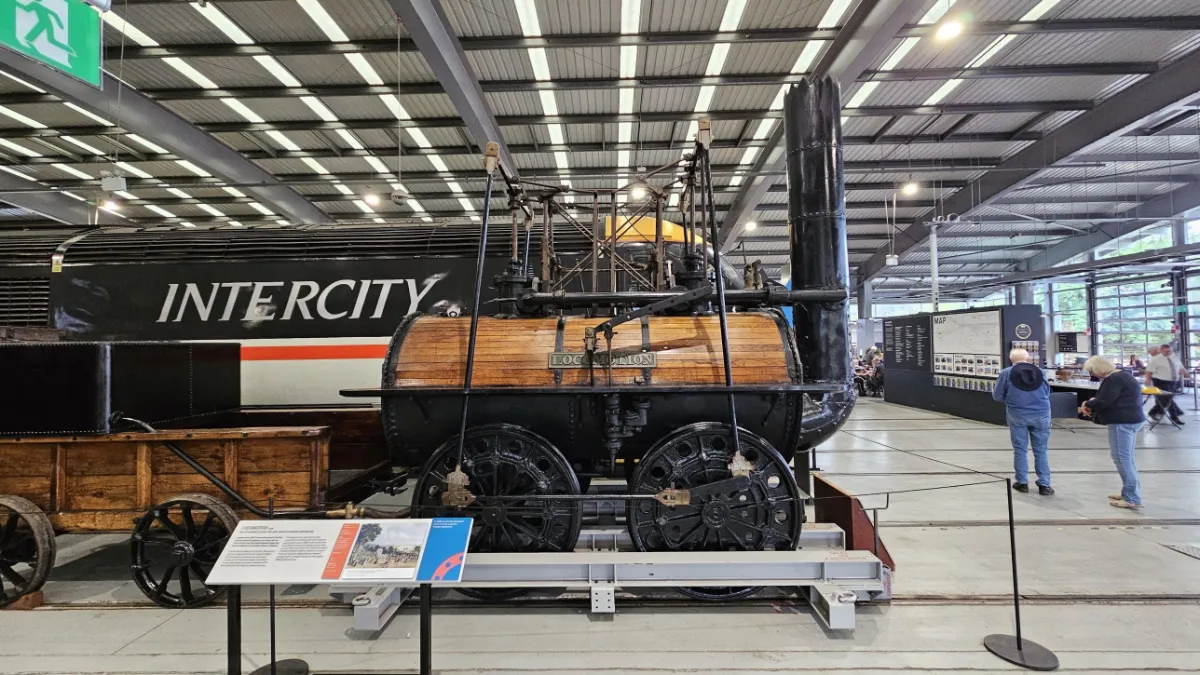
Discover the most important events in railway history, including early wagonways, Richard Trevithick’s steam locomotive, the development of public railways and the introduction of high-speed trains.
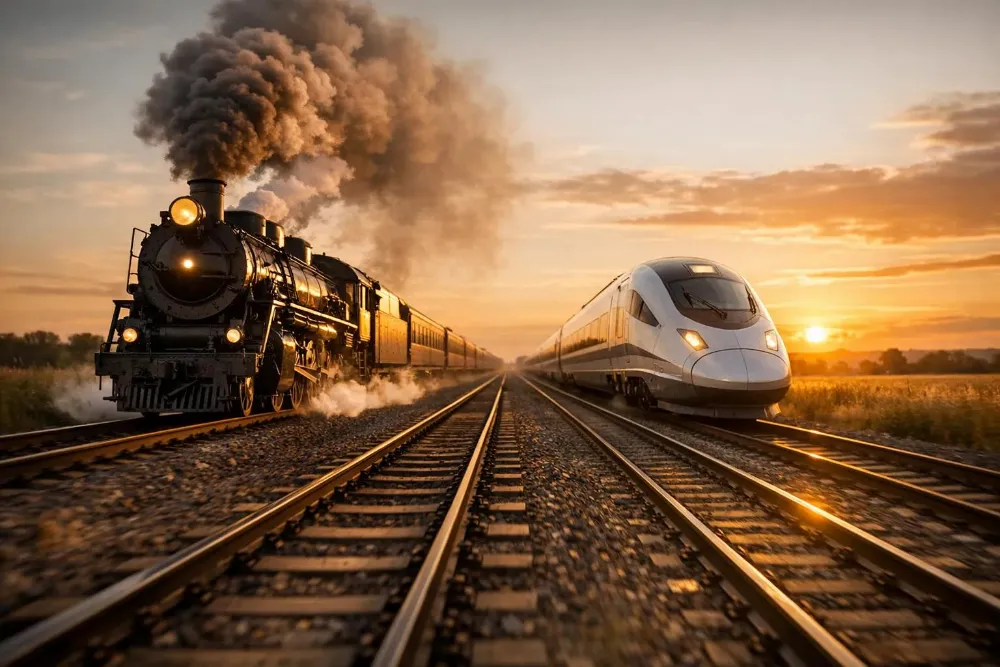
Explore how railway technology has changed across six major historical eras. Compare train engines, speed, design, passenger comfort, signaling and energy systems.
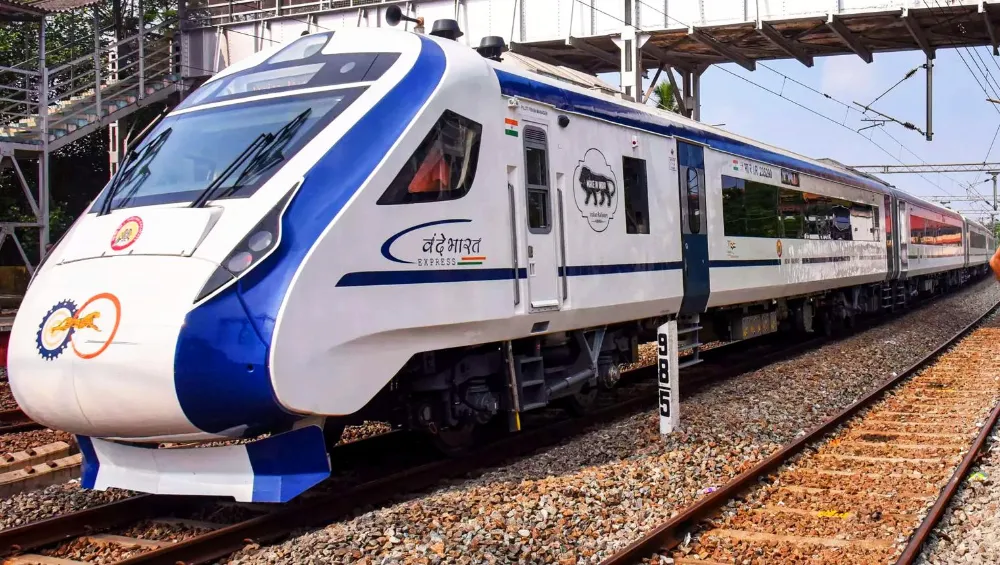
Discover the development of Indian railways, from early industrial lines and the historic Bombay–Thane passenger journey in 1853 to electric locomotives, Vande Bharat Express and future high-speed rail.
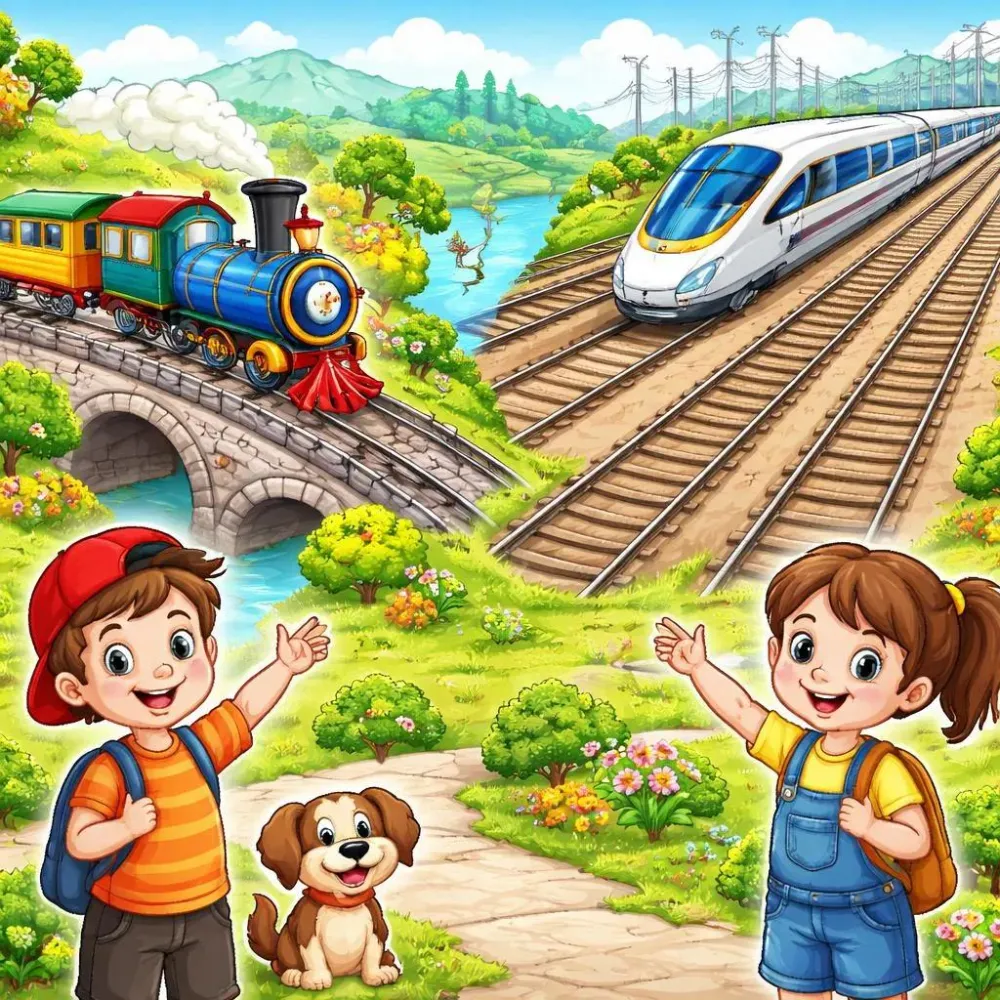
All aboard the History Express! This fun educational guide explains how trains developed from horse-drawn wagons to steam engines, diesel trains, bullet trains and maglev technology.
A Brief History of Trains
The history of railway transportation began long before the first steam locomotive.
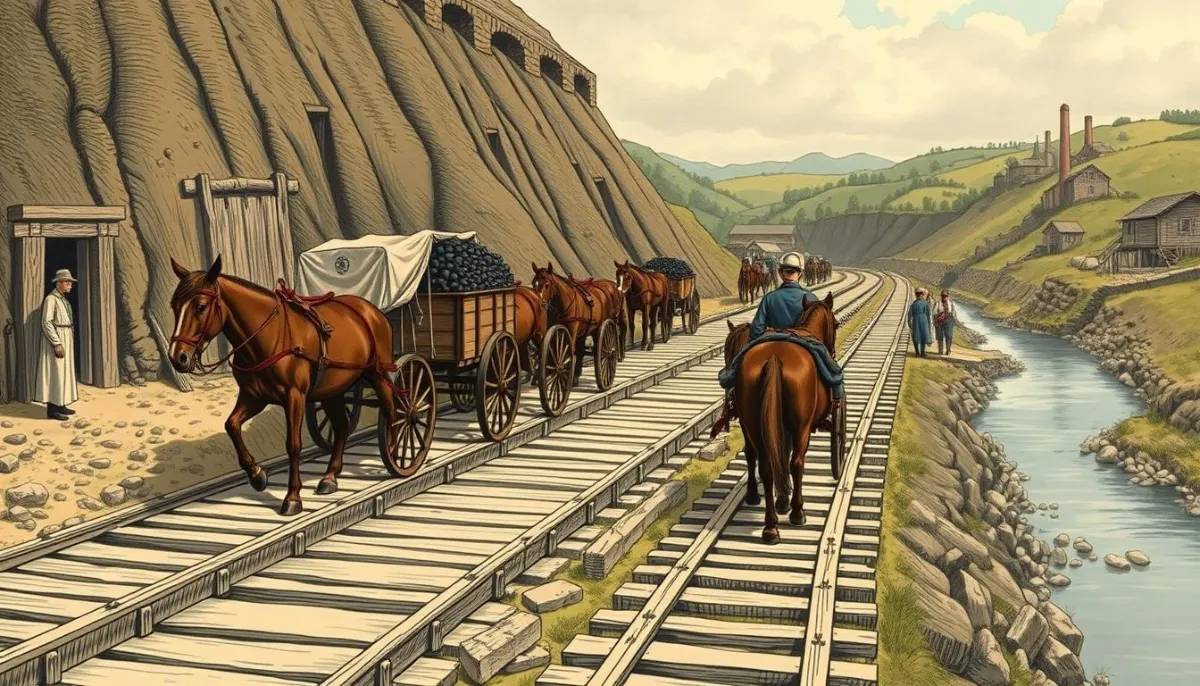
During the 16th and 17th centuries, wooden wagonways helped workers move heavy materials in parts of Europe. Horses or people pulled wagons along guided tracks, making transportation easier than traveling over uneven ground.
The introduction of steam power changed everything.
1804: The First Successful Steam Locomotive Demonstration
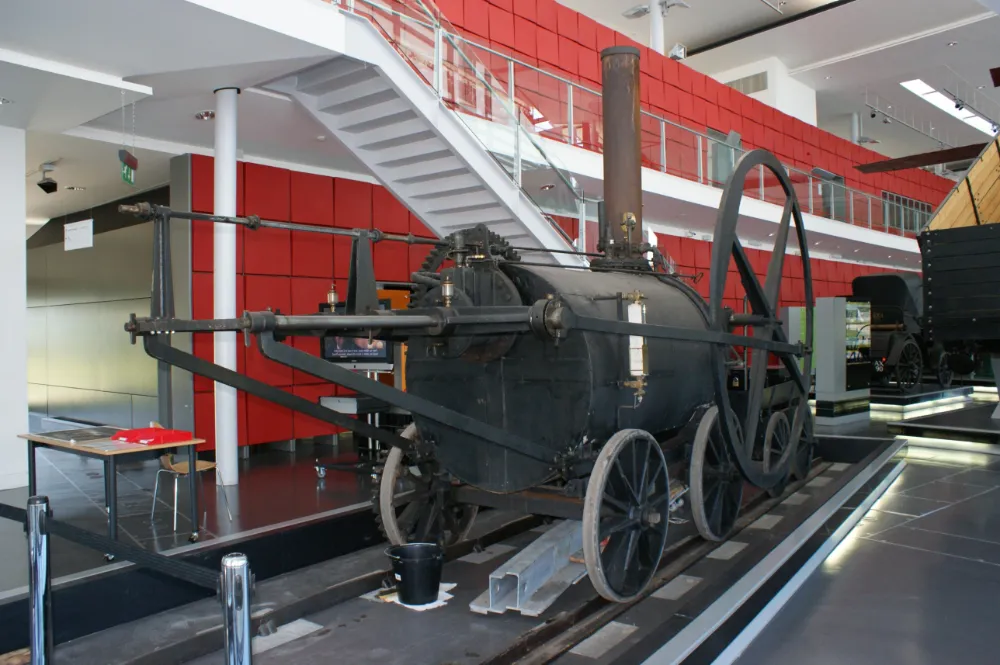
On 21 February 1804, British engineer Richard Trevithick demonstrated a steam-powered locomotive on the Penydarren Tramroad in Wales.
His invention showed that a mechanical engine could haul substantial loads along railway tracks without relying on animal power.
Although the locomotive was not immediately adopted commercially, it helped establish the potential of steam-powered rail transportation.
1825: A Landmark in Public Railway History
The Stockton and Darlington Railway opened in England on 27 September 1825.
George Stephenson’s Locomotion No. 1 hauled the opening train, which carried passengers and goods.
This railway became an important milestone in the development of public steam-locomotive transportation.
1830: Railway Transportation Expands
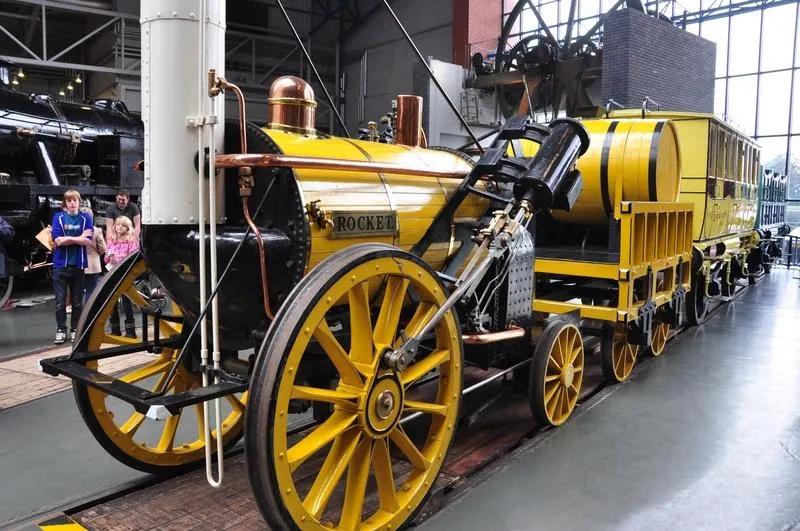
The Liverpool and Manchester Railway opened in 1830 as a pioneering steam-powered intercity railway.
It demonstrated that railway transportation could become a regular commercial service for passengers and freight.
Throughout the 19th century, railway networks spread across Europe, North America, Asia and other regions.
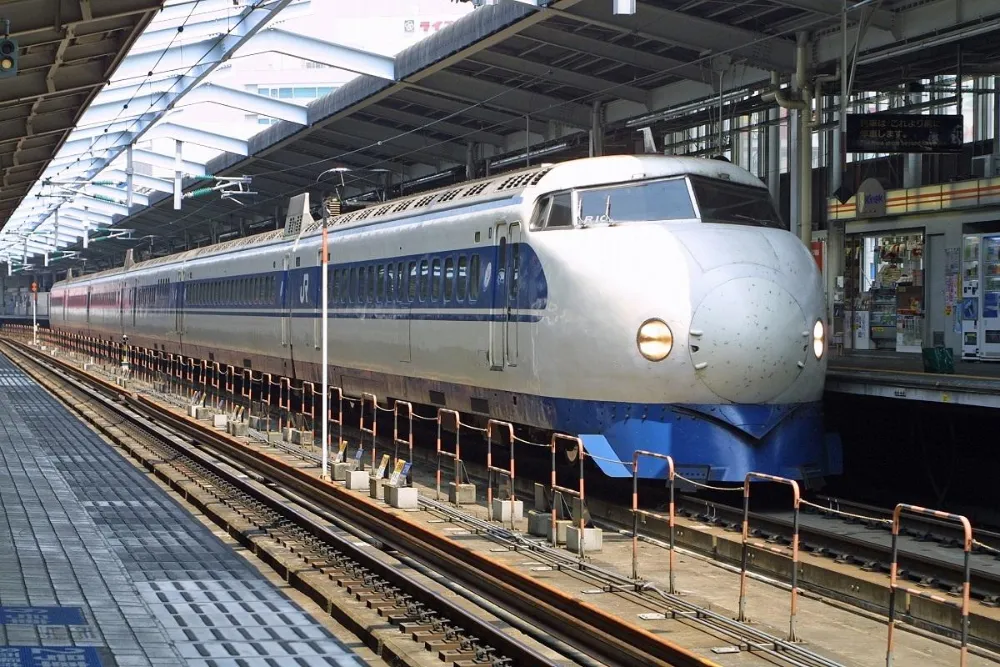
1964: The First Modern Bullet Train
Japan introduced the Tōkaidō Shinkansen on 1 October 1964.
Connecting Tokyo and Osaka, the railway began operations with trains capable of reaching 210 kilometers per hour.
This marked the beginning of modern dedicated high-speed passenger rail.
The 20th Century: Diesel and Electric Trains
During the 20th century, diesel and electric trains increasingly replaced steam locomotives.
These technologies offered different advantages, including reduced steam-specific maintenance, improved acceleration and the ability to operate on increasingly modern railway infrastructure.
The transition occurred at different times around the world.
The Modern Railway Era
Today, railways include electric commuter trains, long-distance passenger services, freight networks, high-speed rail and specialized maglev transportation systems.
Modern railway engineering continues to focus on capacity, accessibility, efficiency, safety and improved passenger experiences.
For a detailed chronology, explore our Evolution of Trains Timeline.
Major Eras in the Evolution of Trains
These periods overlap because railway technologies developed at different speeds in different countries. For example, steam locomotives continued operating in some places long after diesel and electric trains had become common elsewhere.
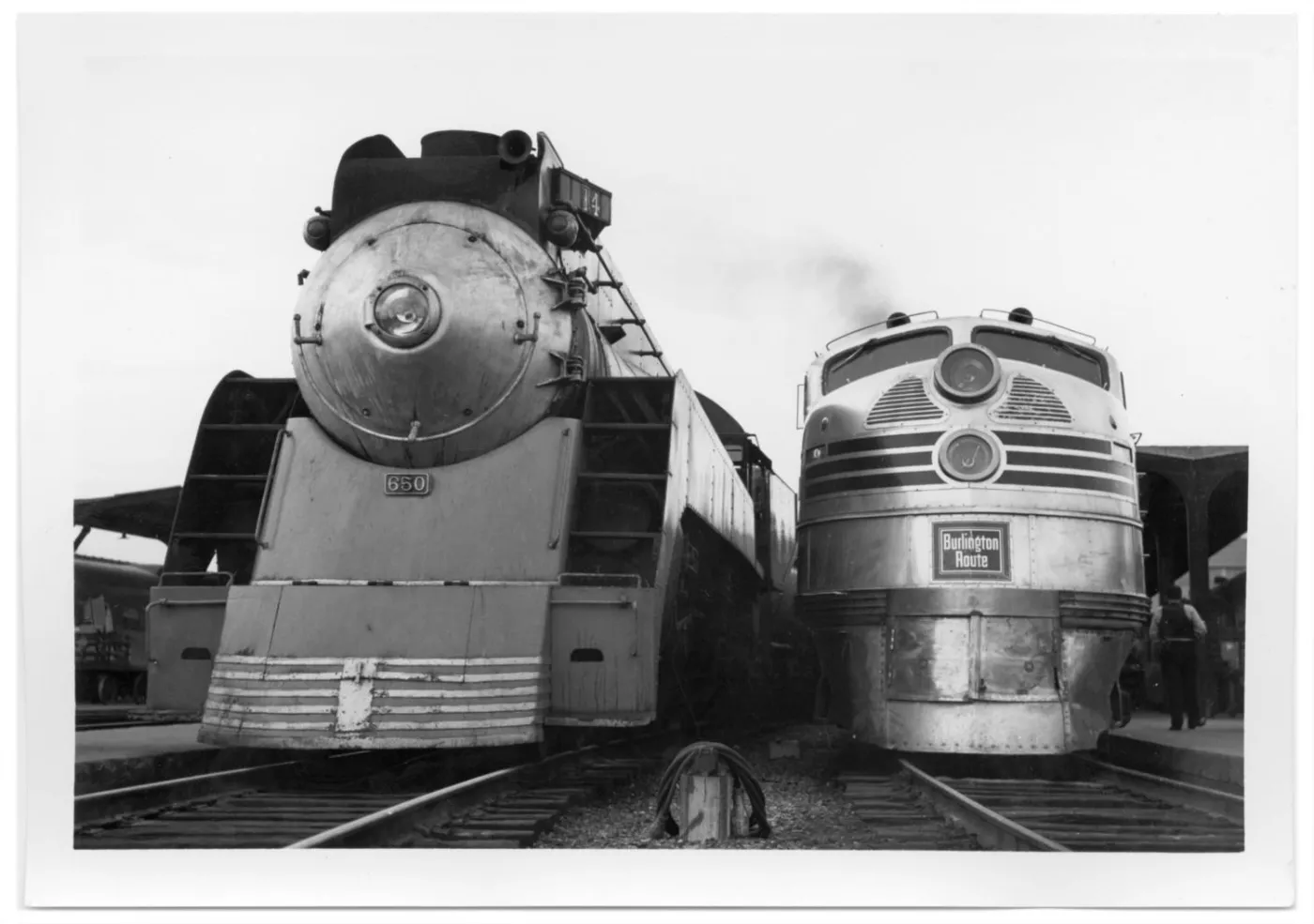
Early wagonways
Guided tracks and animal-powered transportation
Early steam railways
Introduction of powered locomotives and public railways
Expanding steam networks
Railway growth, stronger engines and improved passenger services
Diesel and electric transition
New traction systems gradually replace steam
High-speed railway era
Dedicated high-speed electric passenger networks
Modern digital and maglev era
Advanced train control, maglev and energy-efficient technologies
Different Types of Trains
Railway transportation includes several major categories of trains, each designed for specific purposes.
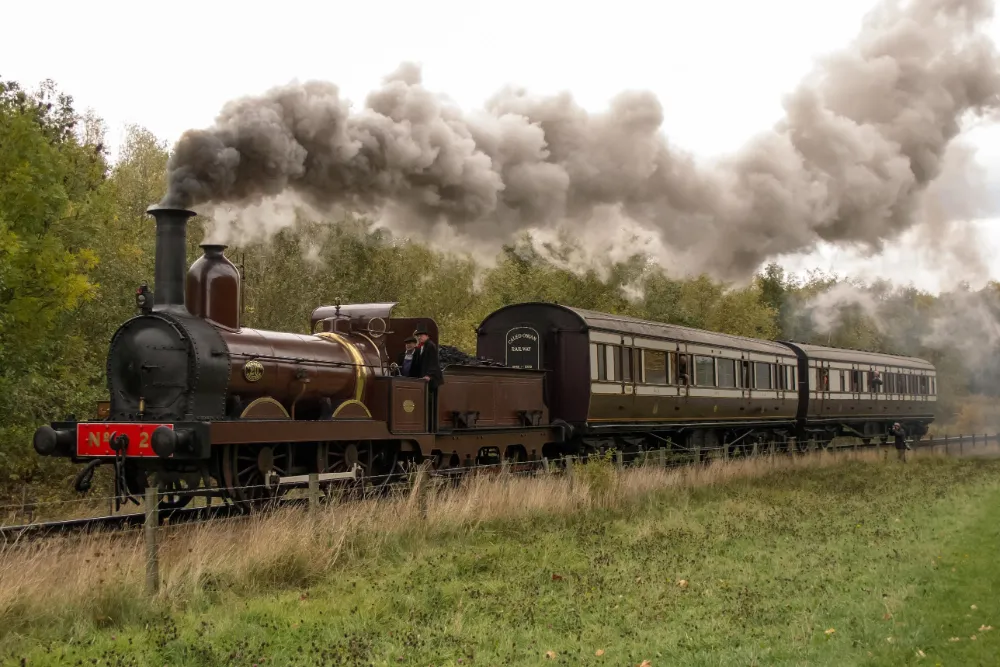
Steam Trains
Steam locomotives use steam pressure generated by heating water to power mechanical components that move the wheels.
They played a central role in the development of industrial railways during the 19th century.
Today, steam locomotives are most commonly associated with railway museums, preserved railways and tourist services.
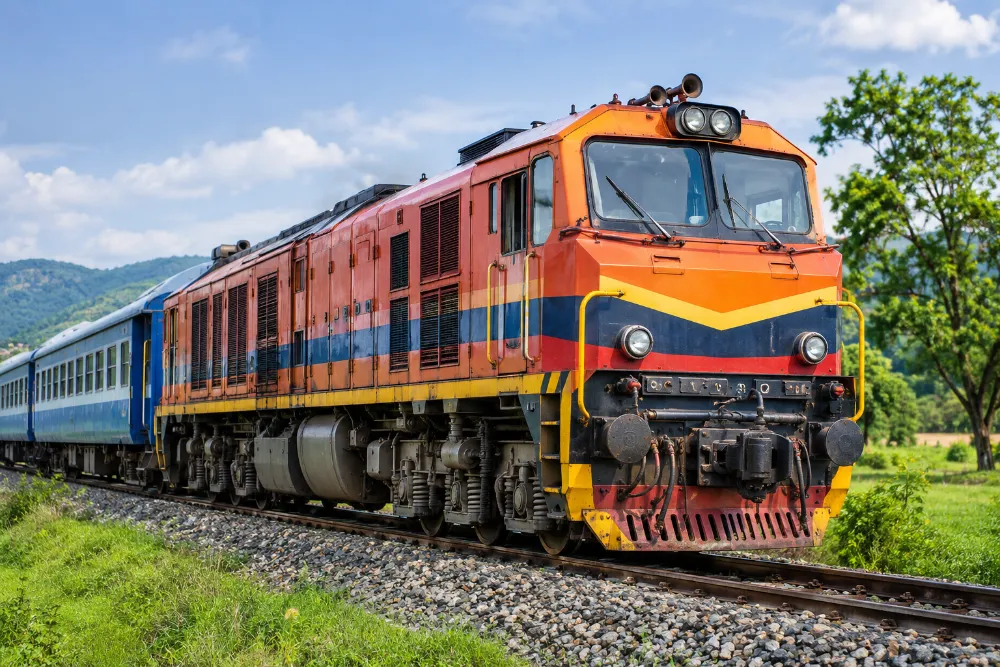
Diesel Trains
Diesel locomotives use internal-combustion engines powered by diesel fuel.
Many diesel-electric locomotives use their diesel engines to generate electricity for motors that drive the wheels.
Diesel traction remains important on railway routes without electric infrastructure.
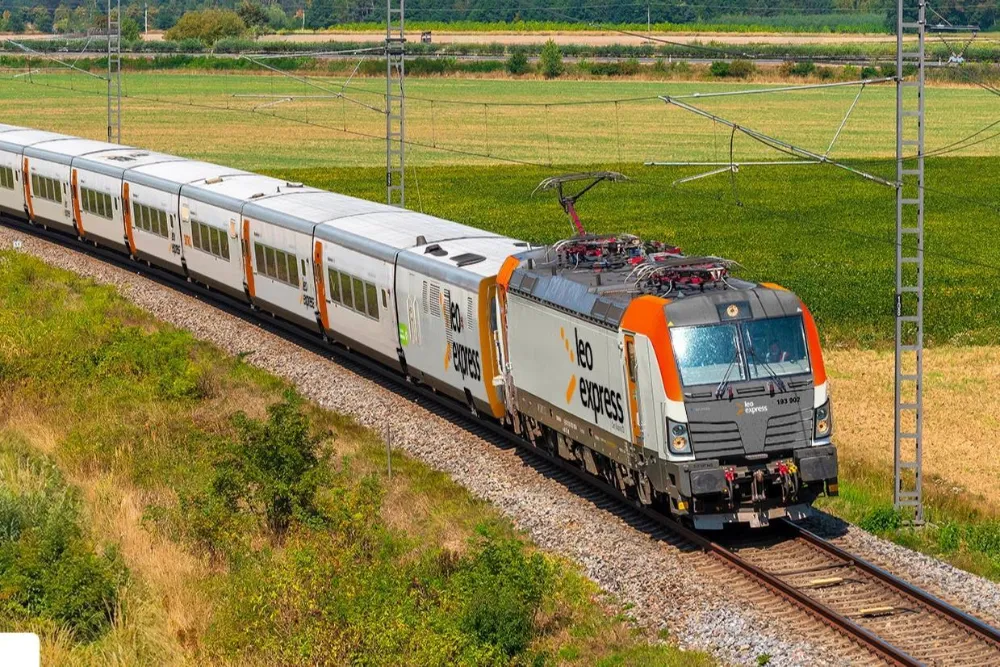
Electric Trains
Electric trains use electric motors to provide traction.
Many receive electricity through overhead wires or powered rails, while some railway vehicles use onboard batteries.
Electric trains are widely used for commuter, metro, intercity and high-speed passenger services.
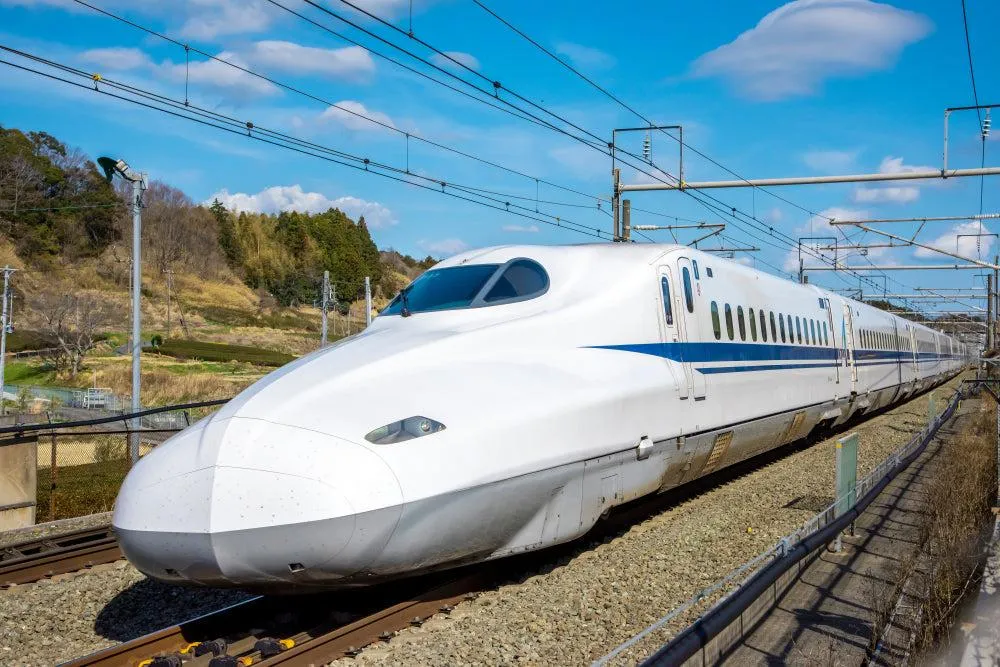
High-Speed Trains
High-speed trains are designed for rapid passenger transportation, usually on specialized infrastructure.
Examples include Japan’s Shinkansen, France’s TGV and modern high-speed railway systems in China and other countries.
These trains combine advanced electric traction, aerodynamic design and sophisticated railway control systems.
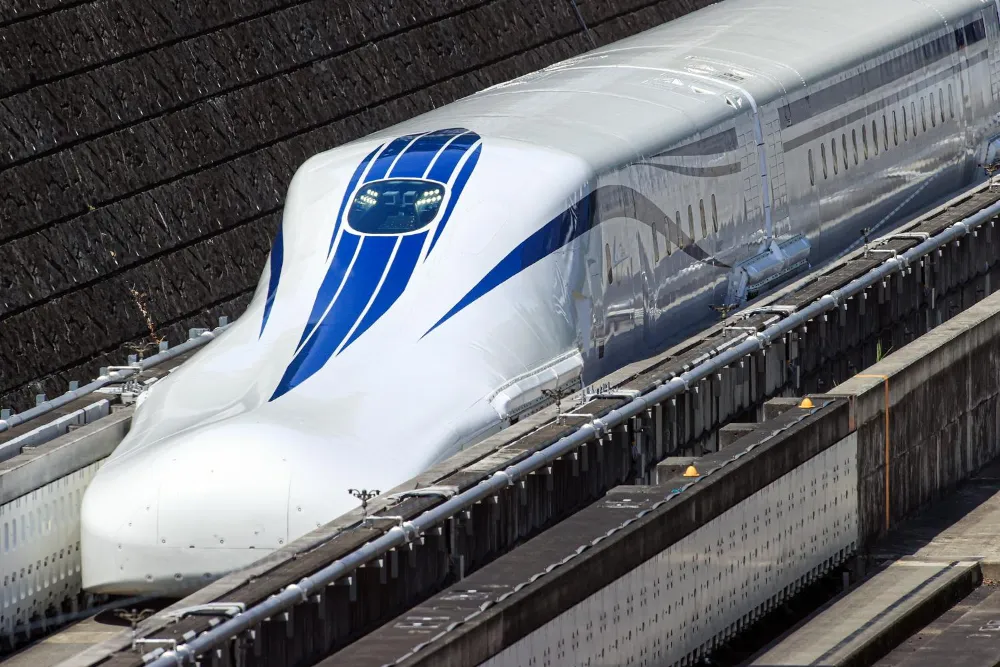
Maglev Trains
Magnetic-levitation trains use magnetic forces to support and guide vehicles along specially designed guideways.
Because they do not rely on conventional steel-wheel contact during high-speed operation, maglev systems can achieve very high speeds.
However, their specialized infrastructure is expensive, which limits their widespread use.
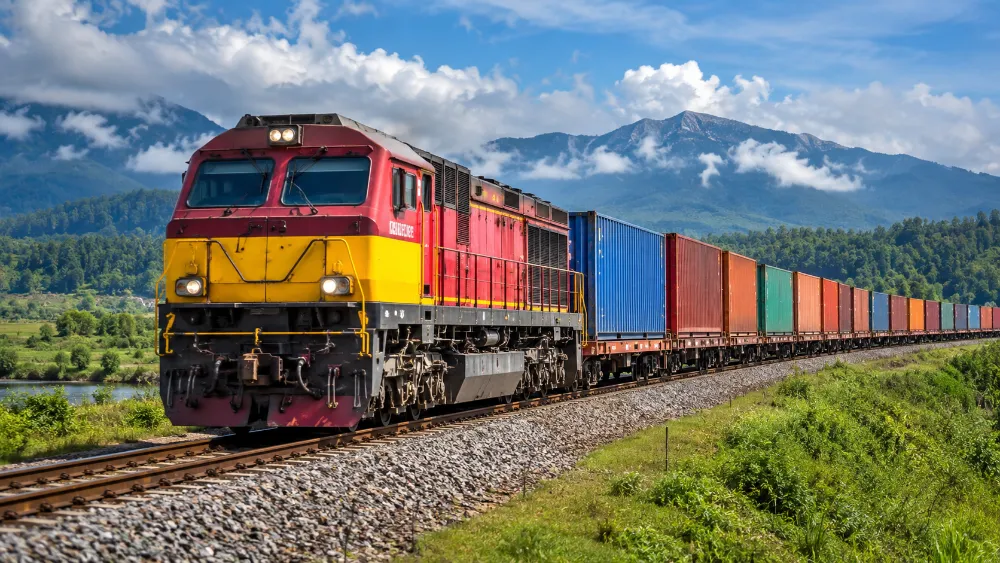
Freight Trains
Freight trains transport goods such as coal, grain, minerals, machinery and shipping containers.
They are essential to logistics and industrial transportation.
Freight trains may use diesel or electric locomotives, depending on the railway network.
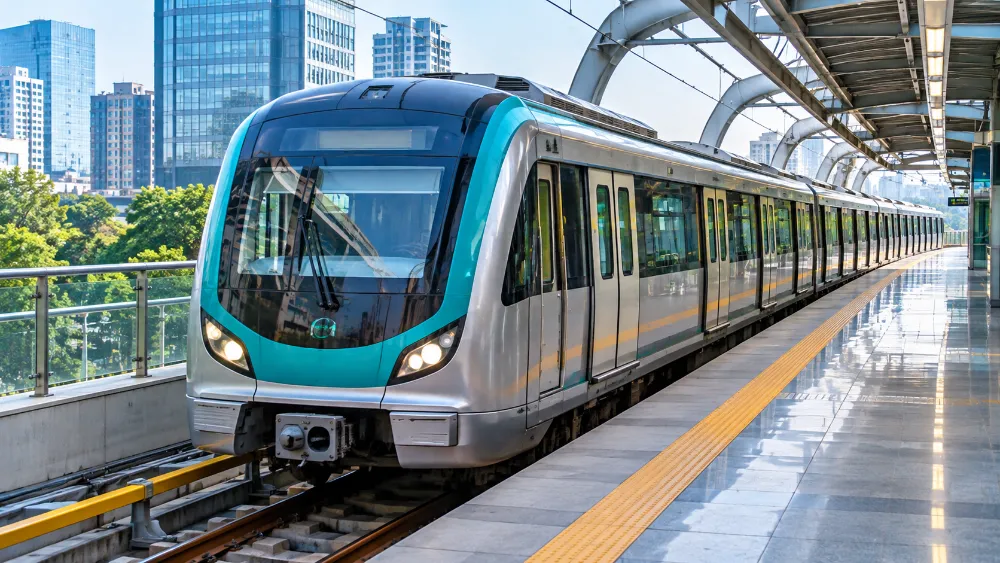
Metro and Commuter Trains
Metro and commuter trains help people travel within cities and surrounding regions.
They generally prioritize frequent services, rapid acceleration and the efficient movement of large numbers of passengers.
Many urban systems use electric trainsets.
See how steam, diesel, electric and high-speed trains compare in power, speed and comfort.
How Do Modern Trains Work?
A modern railway system combines vehicles, tracks, power systems, signaling and operating infrastructure.
Most conventional trains move using steel wheels on steel rails.
The rails guide the train along a fixed route, while traction motors or locomotive engines provide the power needed to move it.
How Electric Trains Move
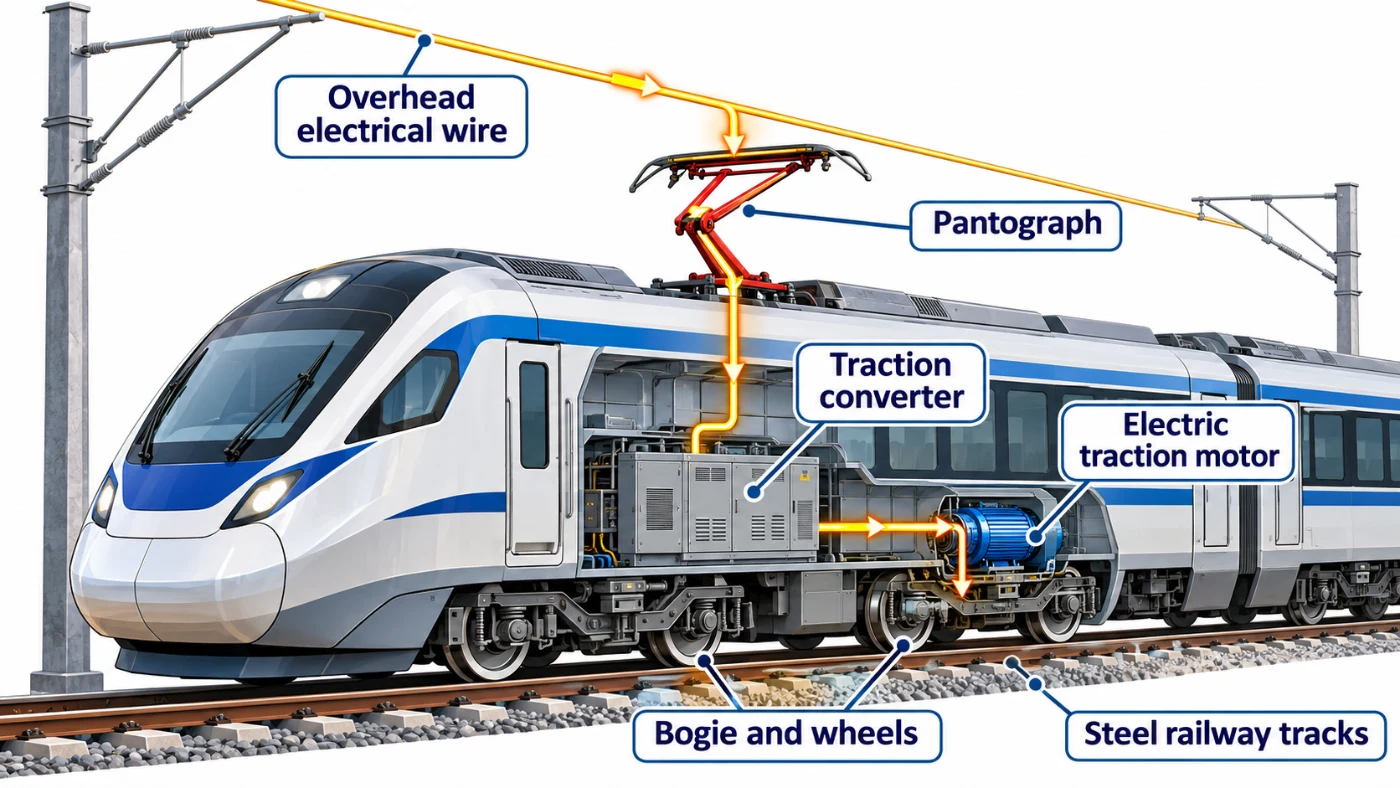
An electric train uses electricity to power traction motors.
The electrical energy may come from overhead wires, a powered rail or an onboard energy-storage system.
Electric motors turn the wheels, moving the train along the tracks.
Modern braking systems can also recover some energy and return it to the electrical system or store it for later use, depending on the train and infrastructure.
How Maglev Trains Move
Maglev trains use magnetic forces for levitation, guidance and propulsion.
Rather than operating like conventional wheel-on-rail trains, they require specialized guideways and advanced control systems.
Different maglev technologies use different methods to create and maintain magnetic suspension.
How Trains Stay Safe
Railway systems rely on multiple layers of safety, including track inspection, signaling, train protection systems, operational procedures and maintenance.
Modern train-control systems help monitor train movement and maintain safe separation between services.
Safety depends on the entire railway system, not just the train itself.
Trains Around the World
Railway development has shaped different countries in different ways.
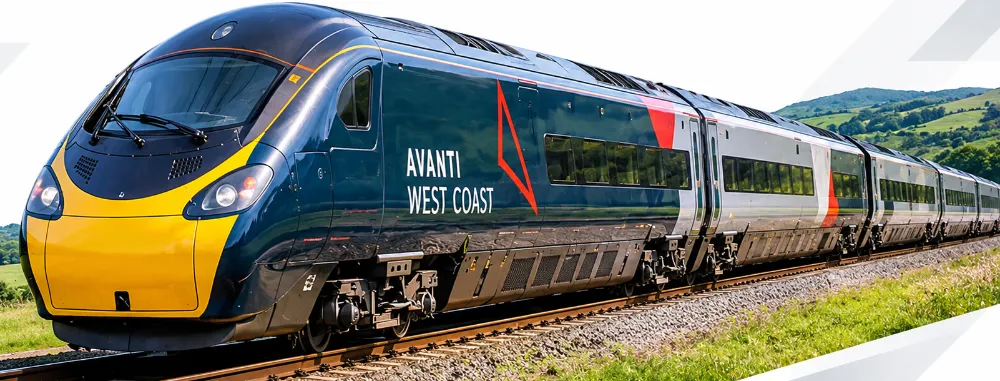
United Kingdom: Birthplace of Modern Steam Railways
Britain played a pioneering role in the development of commercial steam-locomotive railways.
Important milestones include the Stockton and Darlington Railway in 1825 and the Liverpool and Manchester Railway in 1830.
United States: Railways Across a Continent
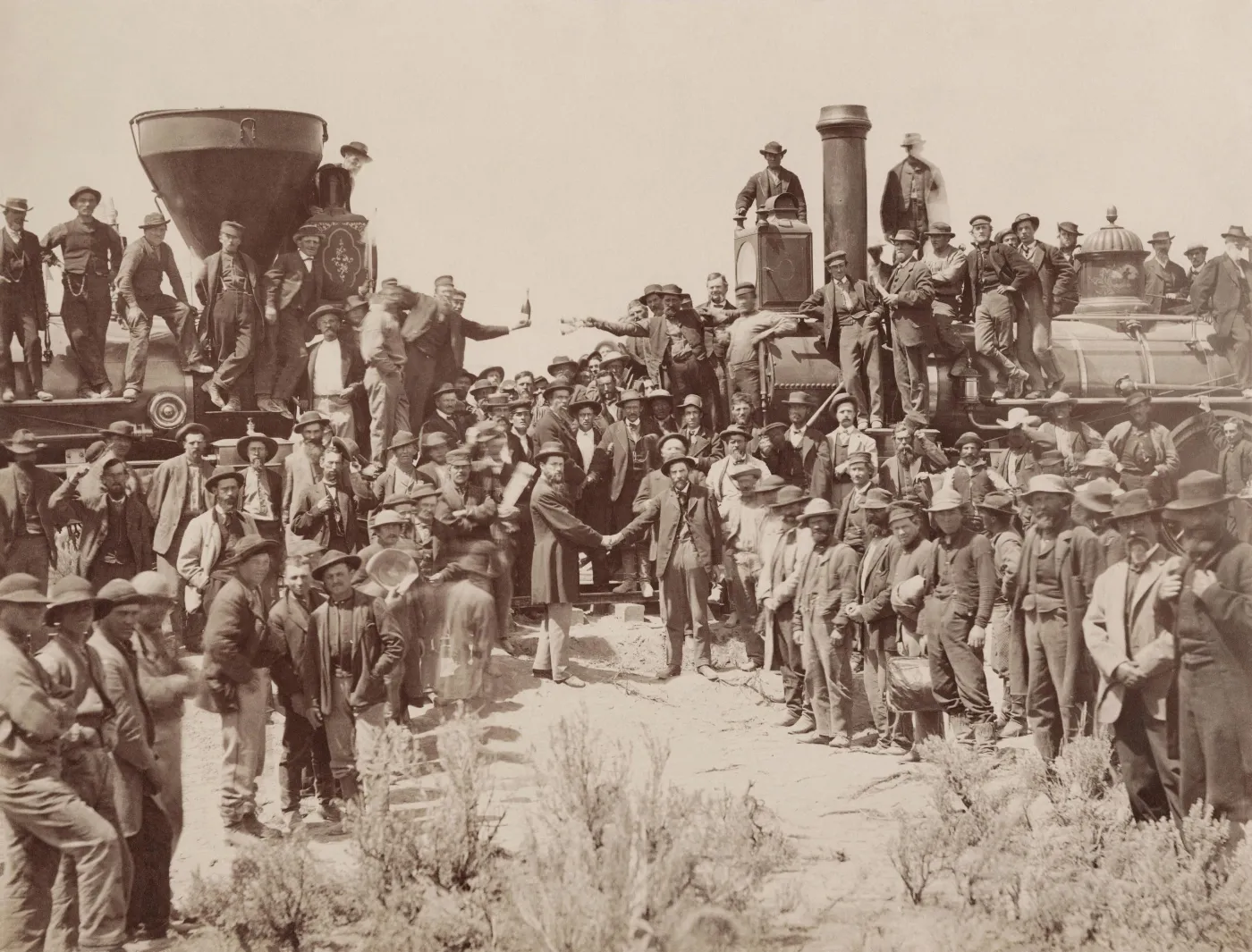
Railways helped connect distant regions of the United States.
The completion of the first transcontinental railroad in 1869 transformed long-distance transportation and freight connections, although railway expansion also had major consequences for Indigenous communities and their lands.
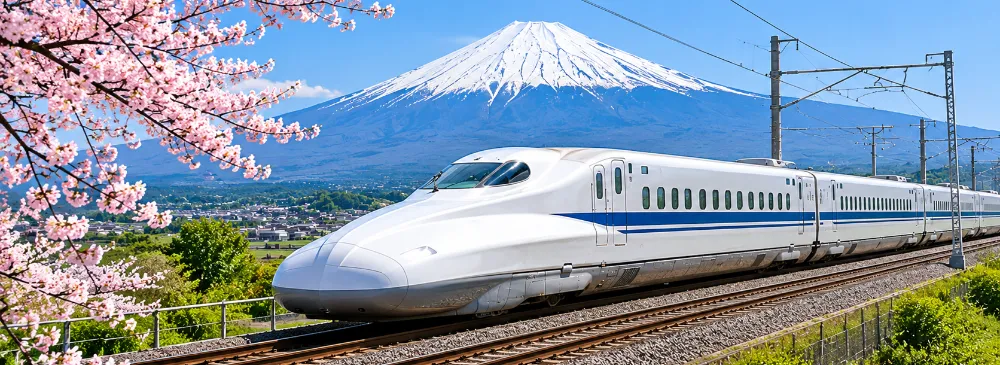
Japan: Pioneer of Modern High-Speed Rail
Japan introduced the Shinkansen in 1964.
Its high-speed railway system became a major influence on the development of modern intercity train services around the world.
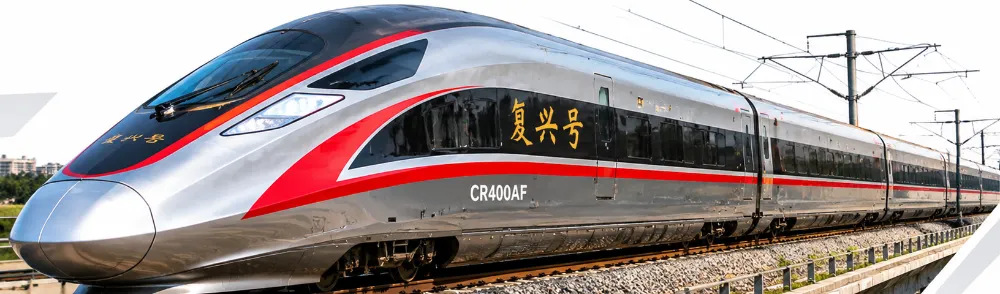
China: Large-Scale High-Speed Railway Development
China has developed the world’s largest high-speed railway network.
Its extensive investment in high-speed transportation demonstrates how modern railway systems can connect major cities across large geographical regions.
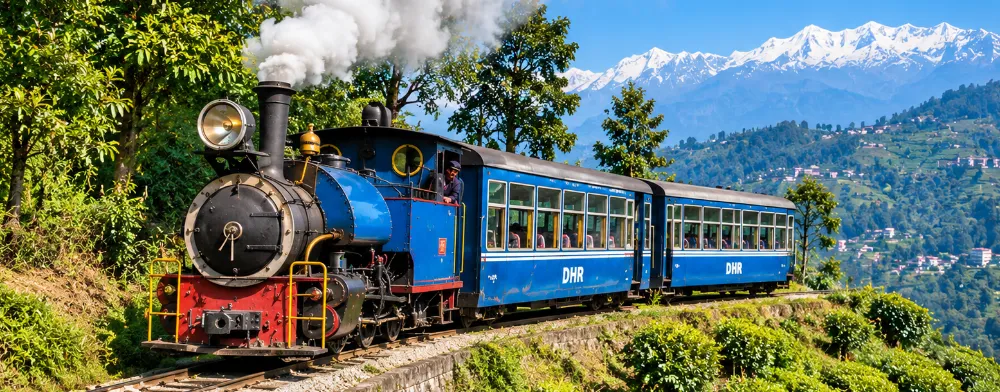
India: A Vast and Evolving Railway Network
Discover the full story in our Evolution of Trains in India guide.
How Trains Changed the World
Trains transformed more than transportation technology.
Industrial Development
Railways enabled factories, mines and businesses to move large quantities of raw materials and manufactured goods over long distances.
This helped connect industrial production with markets.
Growth of Cities
Railway stations, suburban networks and major transport connections influenced the development of towns and cities.
Passenger railway services also helped make daily commuting practical for growing numbers of people.
Trade and Global Connections
Railways connected agricultural regions, industrial centers, ports and population centers.
Freight rail remains an important part of domestic and international supply chains.
Standardized Time
As railway schedules became more important, differences between local time systems created problems.
Railway operations contributed to the adoption of standardized timekeeping and the development of modern time-zone systems.
Environmental Benefits
Railways can transport large numbers of passengers or substantial freight with relatively low energy consumption.
Electric rail services can also have lower greenhouse gas emissions per passenger than many road or aviation alternatives.
However, environmental performance depends on factors including occupancy, energy sources, infrastructure and vehicle type.
The Future of Trains
The future of rail transportation is likely to involve several connected developments rather than a single revolutionary invention.
Faster High-Speed Networks
Countries continue investing in improved intercity rail infrastructure.
Modern high-speed systems can reduce journey times, strengthen regional connections and provide alternatives to road and air travel on suitable routes.
More Efficient Electric Railways
Railway electrification, energy-efficient traction systems and regenerative braking can help improve energy use.
The environmental benefits depend partly on how the electricity is generated.
Battery and Hydrogen Trains
Battery-electric and hydrogen fuel-cell trains are being explored or deployed for certain non-electrified railway routes.
Their suitability varies according to route length, refueling or charging infrastructure, energy efficiency and operating costs.
Advanced Digital Technology
Railway operators increasingly use advanced train-control systems, condition monitoring and automated operations.
These technologies may improve operational reliability, maintenance planning and network capacity.
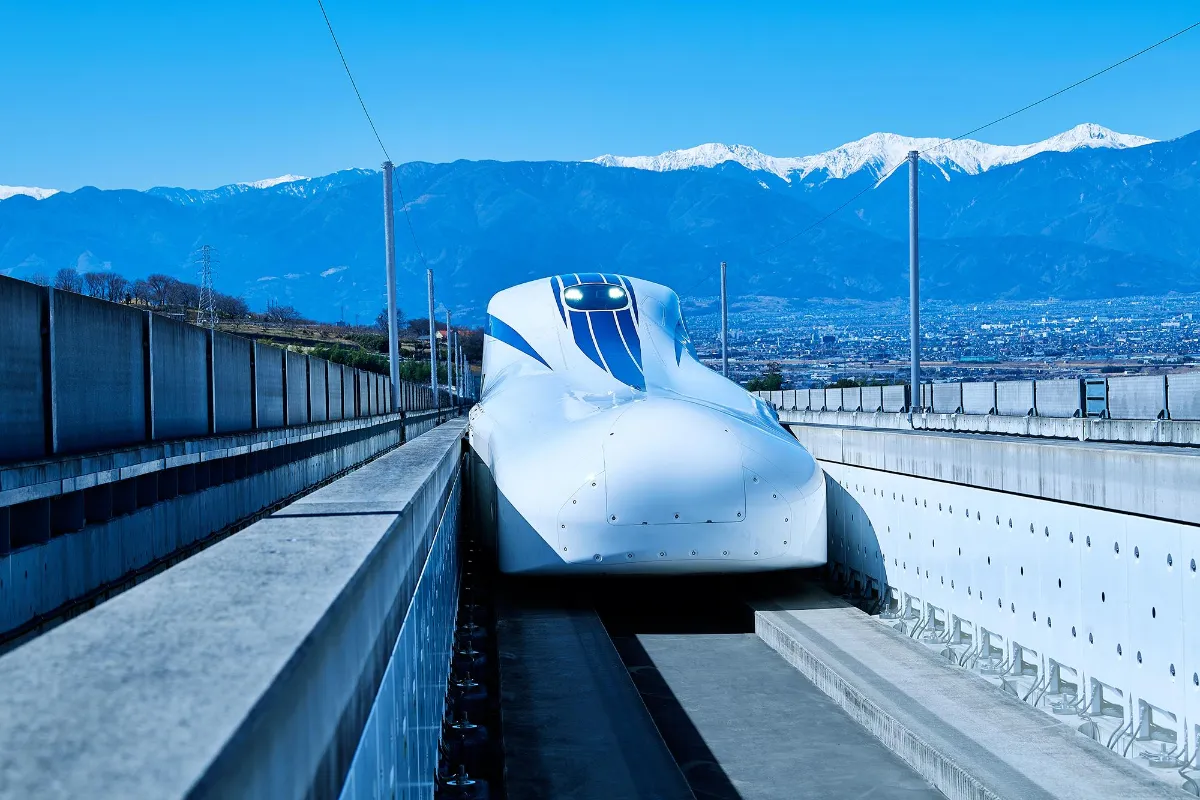
The Future of Maglev
Maglev technology continues to attract interest because of its potential for very high speeds.
However, high infrastructure costs and specialized engineering requirements remain significant challenges.
Experimental low-pressure transport concepts, sometimes described as hyperloop systems, remain separate from established commercial rail networks.
Future railway success will depend on safety, affordability, accessibility, capacity and environmental performance—not speed alone.
Frequently Asked Questions About Trains
Who invented the first train?
Railway development involved many inventors and engineers. Richard Trevithick demonstrated a successful steam locomotive in 1804, while George Stephenson and others helped develop practical commercial steam railways.
When were trains first invented?
Early guided wagonways existed centuries before modern trains. The first widely recognized successful demonstration of a full-scale steam locomotive hauling a load occurred in 1804.
What are the main types of trains?
Major types include steam trains, diesel trains, electric trains, high-speed trains, maglev trains, freight trains and metro or commuter trains.
What is the difference between a train and a locomotive?
A locomotive is a powered railway vehicle designed to move a train. A train is the complete railway vehicle or connected set of vehicles used for transportation.
What is a bullet train?
A bullet train commonly refers to Japan’s Shinkansen or, more generally, a modern high-speed passenger train designed to operate on suitable railway infrastructure.
Are trains better for the environment than cars and airplanes?
Many passenger and freight rail services can use less energy and produce fewer greenhouse gas emissions per passenger or tonne-kilometer. The comparison depends on the specific trains, cars, aircraft, routes, energy sources and passenger loads.
What is the future of railway transportation?
Future developments include improved high-speed rail, digital train control, railway electrification, automation, battery-powered trains, hydrogen fuel-cell technology and selected maglev projects.
Explore Our Complete Train History Collection
The history of trains is best understood through the inventions, people and technologies that shaped different stages of railway transportation.
Continue your learning journey through these detailed guides:
- Evolution of Trains Timeline — Follow the major historical dates and inventions that shaped railway transportation.
- Evolution of Trains in India — Discover the history and modernization of Indian Railways.
- Evolution of Trains Over Time — Compare old and modern railway technology, speed, train design and passenger comfort.
- Evolution of Trains for Kids — Explore railway history through easy explanations, fun facts and educational illustrations.
Conclusion: The Continuing Evolution of Trains
From wooden wagonways and early steam locomotives to electric railways, bullet trains and magnetic-levitation technology, the evolution of trains demonstrates how engineering ideas develop across generations.
Railways have influenced industry, trade, cities and everyday life for more than two centuries of powered transportation.
Today, modern rail systems continue to evolve as societies seek more reliable, efficient and accessible ways to move people and goods.
Explore the detailed train history articles above to discover the inventions and innovations behind this remarkable transportation journey.
Sources and Further Reading
Dates and facts on this page were checked against museum, government and industry sources, including:
- Amgueddfa Cymru – Museum Wales: Richard Trevithick's steam locomotive
- National Railway Museum: Shildon, the Cradle of the Railways and Locomotion No. 1
- Science Museum Group Collection: Steam locomotive No. 1 'Locomotion'
- Government of Japan (japan.go.jp): History of the Shinkansen (PDF)
- U.S. National Park Service: Golden Spike National Historical Park
- Press Information Bureau, Government of India: From Steam to Speed (April 2026, PDF)
- International Energy Agency: The Future of Rail