The Evolution of Transportation: From Ancient Wheels to Modern Travel
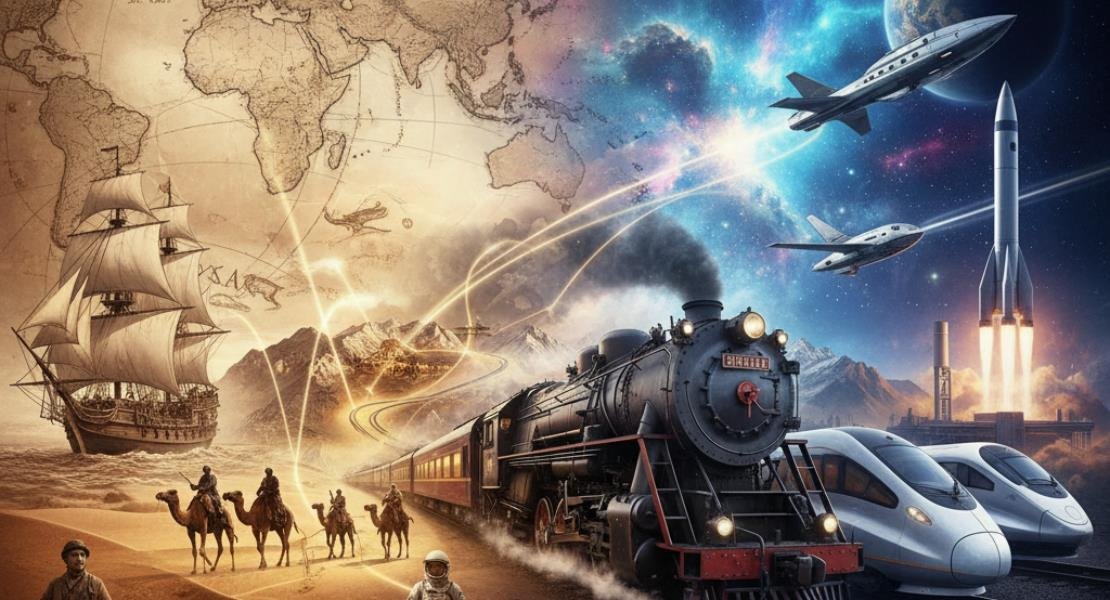
Transportation has shaped human civilization for thousands of years. From the earliest walking routes and wooden boats to high-speed trains, electric cars, and modern aircraft, the history of transportation is a story of innovation, exploration, and connection.
The evolution of transportation began with human and animal power, advanced through wheels and sailing ships, accelerated with steam engines and automobiles, and developed into today’s global networks of railways, roads, aviation, and shipping.
Every major development changed how people lived, traded, worked, and explored the world. This guide follows that remarkable journey and explains the inventions that transformed human mobility.
1. Early Transportation: Before the Wheel

Long before cars, trains, or even wheels existed, humans relied on their own strength to travel.
Walking was the earliest and most universal form of transportation. People crossed forests, rivers, mountains, and plains in search of food, shelter, and new places to settle.
As communities developed, humans began using simple devices such as sledges, rafts, and dugout canoes to transport heavier loads.
Waterways offered particularly important travel routes because boats could carry supplies over distances that would have been difficult to cover on foot.
How early humans traveled
Walking and carrying belongings by hand
Dragging heavy loads on sledges
Using simple rafts and dugout boats
Relying on domesticated animals in later periods
These developments laid the foundations for more organised trade, migration, and communication.
2. The Invention of the Wheel: Around 3500 BCE
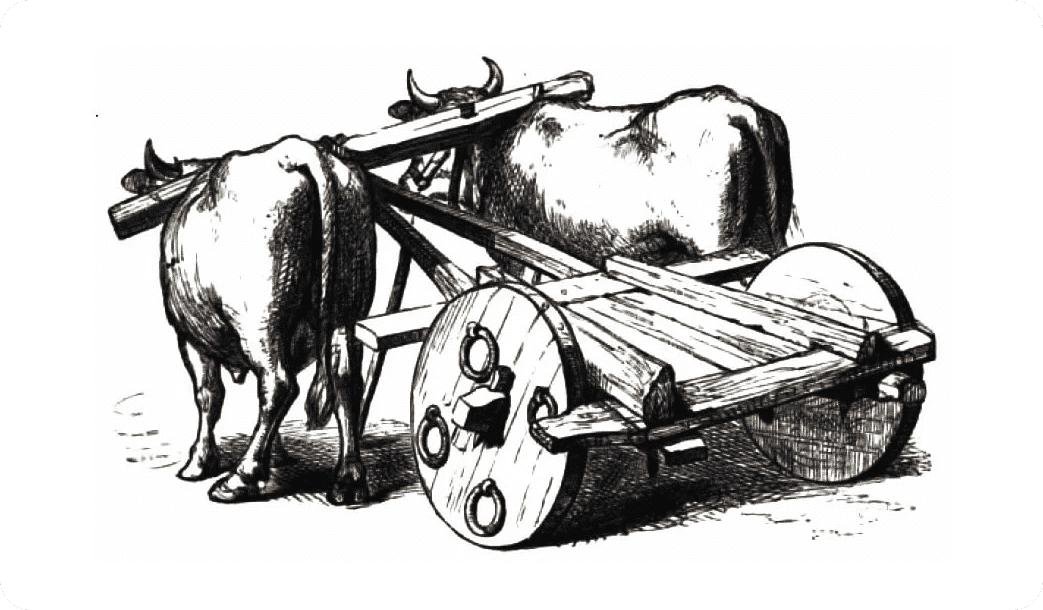
The wheel was one of the most influential inventions in transportation history.
Evidence of wheeled vehicles appears in several regions during the fourth millennium BCE. Early wheels were made from solid pieces of wood and were considerably heavier than modern designs.
When wheels were combined with axles and animal power, people could transport larger quantities of agricultural produce, building materials, and other goods.
Wheeled carts became important in farming, trade, warfare, and the growth of early cities.
Over time, improved wheel designs, including lighter spoked wheels, helped make vehicles more practical.
Why the wheel mattered: It reduced the effort required to move heavy loads across suitable ground and helped create more extensive trading networks.
3. Animal-Powered Transportation: Horses, Camels and Carriages
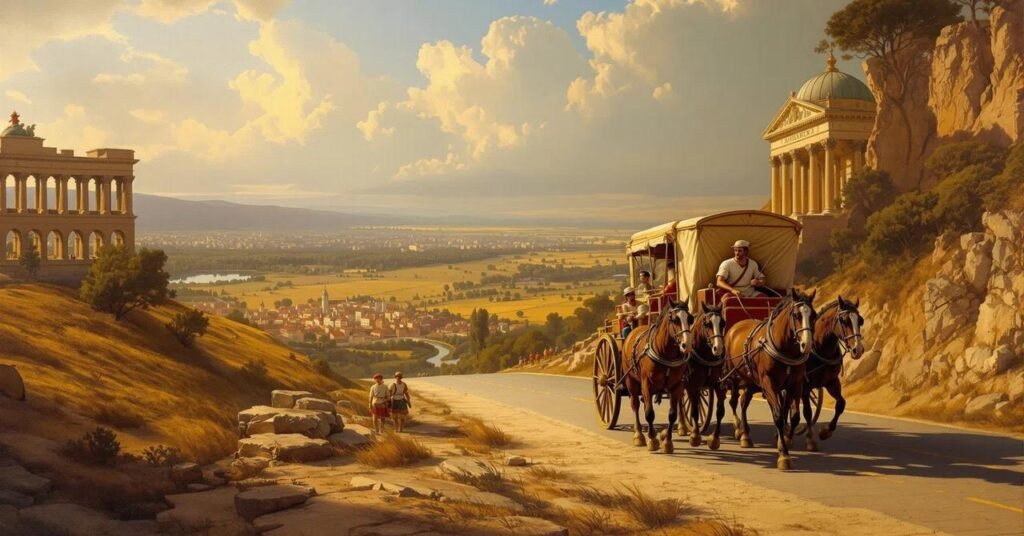
For thousands of years, animals provided an essential source of transportation power.
Horses, oxen, donkeys, camels, and other animals carried people and goods across different environments.
Horse-drawn carts and carriages became important for travel between settlements, while camels were particularly valuable along trade routes through arid regions.
The development of stronger roads, bridges, saddles, harnesses, and vehicles made animal-powered travel more effective.
However, travel remained relatively slow and was affected by weather, terrain, and the physical endurance of animals.
4. Water Transportation: From Ancient Boats to Ocean-Going Ships
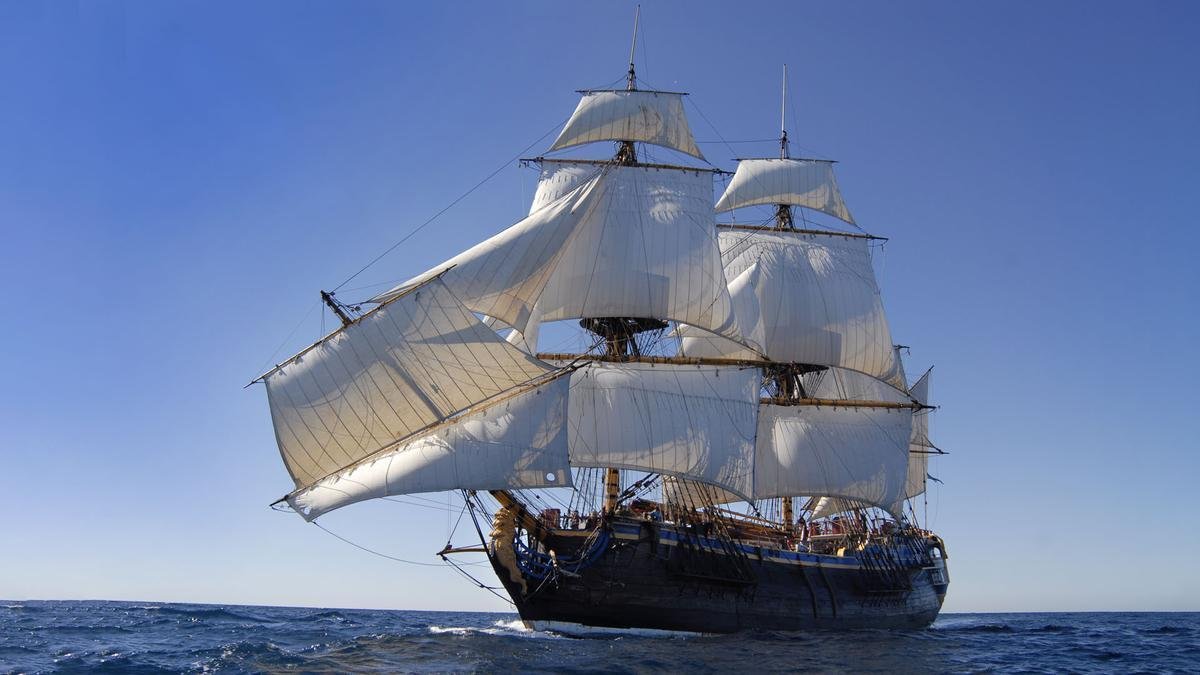
Water transportation developed alongside the earliest civilizations.
Rivers and seas served as natural highways, allowing traders and explorers to carry goods and passengers across long distances.
Early vessels included dugout canoes, reed boats, and wooden boats powered by paddles or oars. Sailing ships later used wind power to travel farther and carry greater cargo loads.
As navigation and shipbuilding improved, maritime trade connected regions across the Mediterranean, Indian Ocean, Atlantic, and Pacific.
The arrival of steamships
During the late eighteenth and nineteenth centuries, steam propulsion helped ships travel with less dependence on favourable winds.
Steamships made commercial routes more predictable, while later diesel-powered vessels and container ships transformed global freight transportation.
Today, maritime shipping remains fundamental to international trade.
5. The Steam Revolution: Railways Transform Land Travel
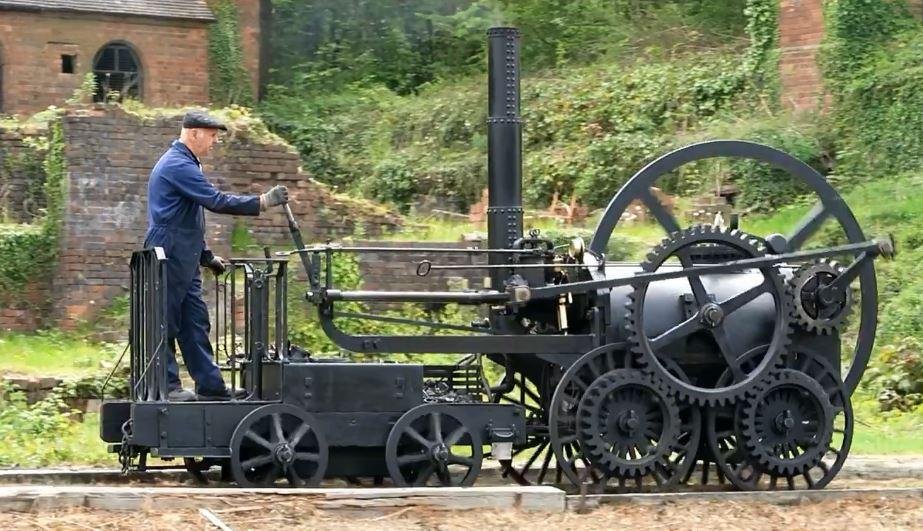
The Industrial Revolution introduced machines that fundamentally changed transportation.
In 1804, British engineer Richard Trevithick demonstrated a steam locomotive capable of hauling a load along rails. Steam technology subsequently developed into a practical system for transporting goods and passengers.
Railways could move heavy cargo over long distances more efficiently than many road vehicles of the period.
The railway milestones that changed history
1825 — Stockton and Darlington Railway
An important early public railway in England, associated with George Stephenson’s Locomotion No. 1 and the development of steam rail transport.
1829 — Stephenson’s Rocket
The Rocket’s performance at the Rainhill Trials demonstrated influential engineering improvements in steam locomotive design.
1830 — Liverpool and Manchester Railway
This intercity railway demonstrated the commercial potential of regular steam-powered passenger and freight services.
Railways helped cities expand, supported industrial production, connected agricultural regions with markets, and made long-distance journeys more accessible.
6. The Automobile Revolution: From Steam Cars to the Model T
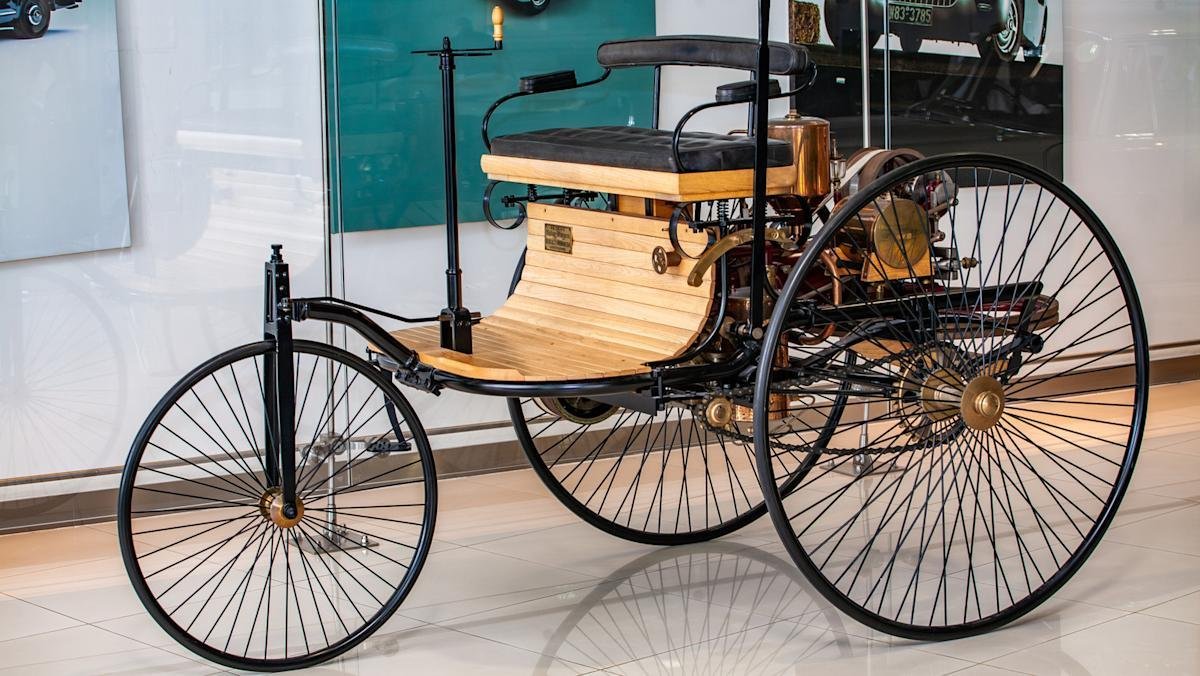
In 1886, German engineer Carl Benz patented his gasoline-powered motorcar, an important milestone in the development of the modern automobile.
Early automobiles were expensive, technically demanding, and primarily accessible to wealthier customers.
That began to change as manufacturers improved production methods.
1908 — The Ford Model T changes personal transportation
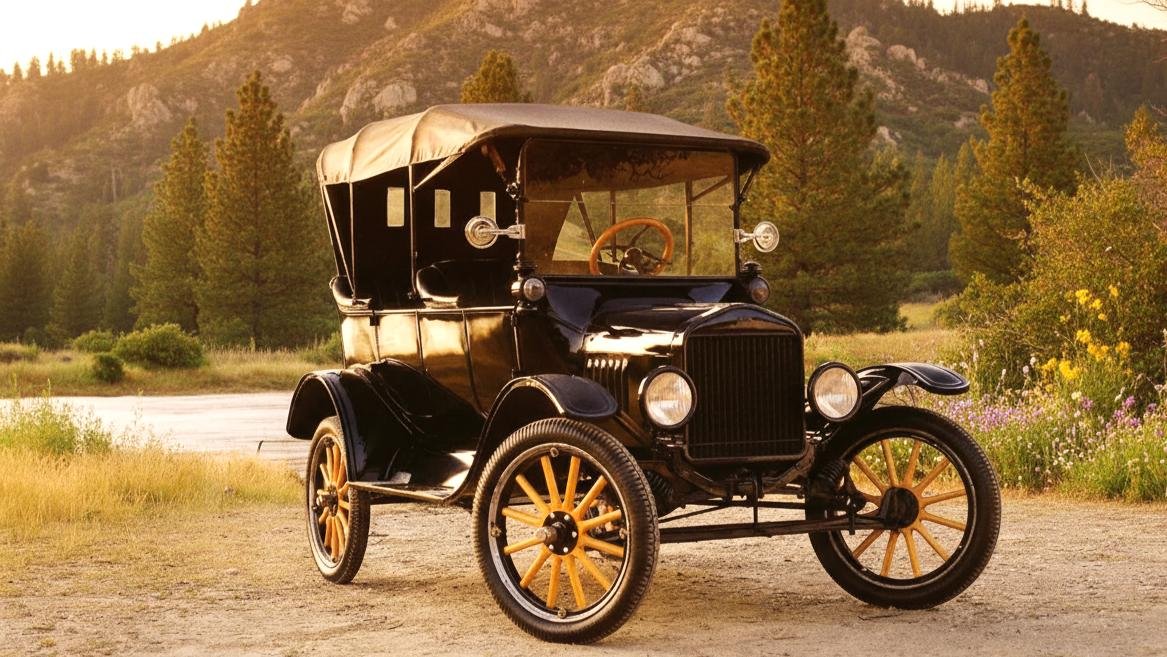
The introduction of the Ford Model T in 1908 marked a major shift toward mass-market car ownership.
Ford’s manufacturing improvements, including the moving assembly line introduced in 1913, helped reduce production costs.
As automobiles became more accessible, they changed residential development, commerce, employment, and travel habits.
Road networks expanded, petrol stations appeared, and personal transport became increasingly important in everyday life.
7. Aviation: Humans Take to the Skies
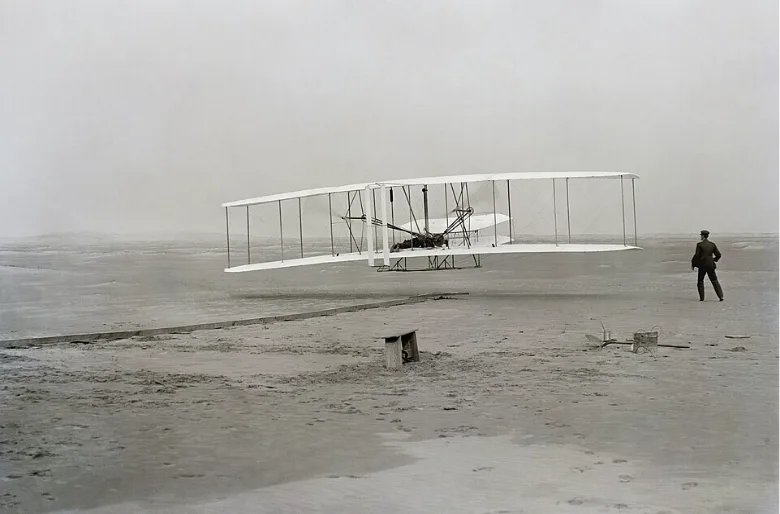
For centuries, humans dreamed of flying.
That ambition reached a defining milestone on December 17, 1903, when Orville and Wilbur Wright achieved controlled, sustained powered flight with the Wright Flyer in North Carolina.
Their first flight lasted approximately 12 seconds.
Although early airplanes were fragile and limited in range, aviation technology advanced rapidly over the following decades.
Aircraft became important in military operations, postal delivery, commercial travel, and international transportation.
The jet age
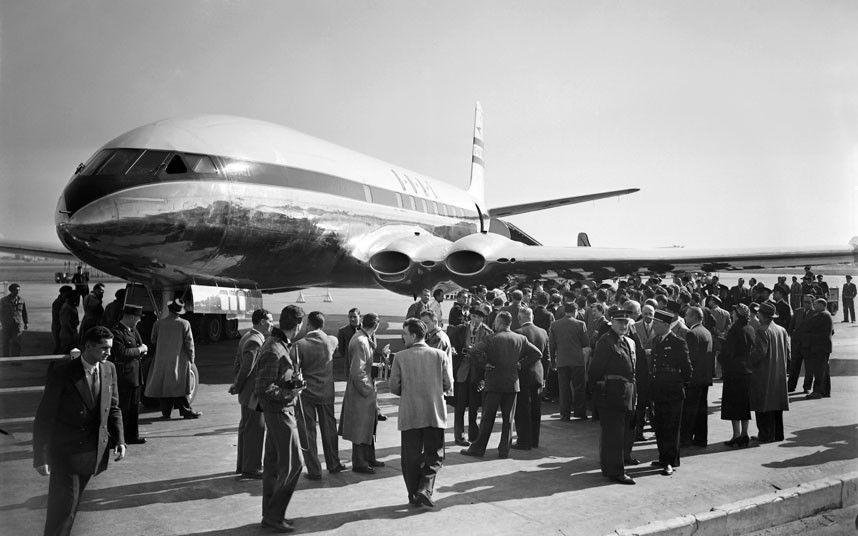
Jet-powered aircraft transformed long-distance passenger travel during the twentieth century.
Aircraft became faster, larger, and more capable of flying long routes.
International tourism and business travel expanded as commercial aviation connected distant regions in hours rather than days or weeks.
Modern passenger aircraft use advanced navigation, flight-control, and engine technologies, making aviation a central part of global transportation.
8. High-Speed Rail: A New Era of Train Travel
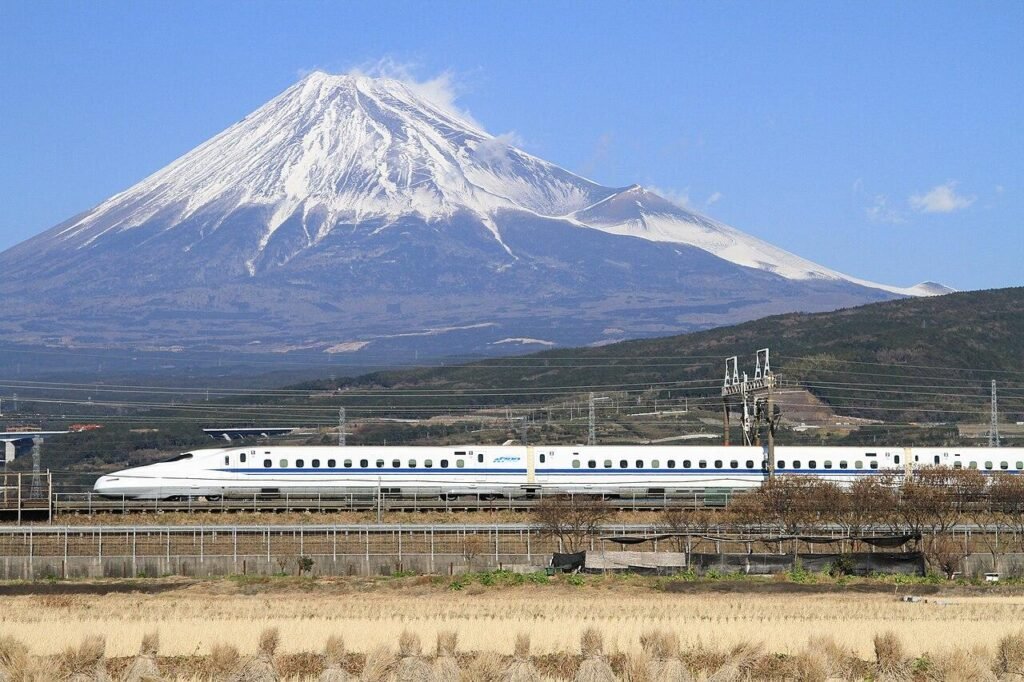
Rail transportation did not disappear with the growth of automobiles and aviation.
Instead, railway engineering continued to develop through diesel traction, electric locomotives, improved signalling, and dedicated high-speed lines.
Japan opened the Tokaido Shinkansen in 1964, beginning a new era of modern high-speed passenger rail.
Later, countries including France, Germany, China, Spain, and South Korea developed extensive high-speed railway systems.
High-speed rail can provide an efficient alternative to cars and short-haul flights on suitable routes, particularly between major cities.
Its success depends on infrastructure, passenger demand, travel distance, and integration with other forms of public transport.
9. Modern Transportation: Electric Vehicles and Intelligent Mobility
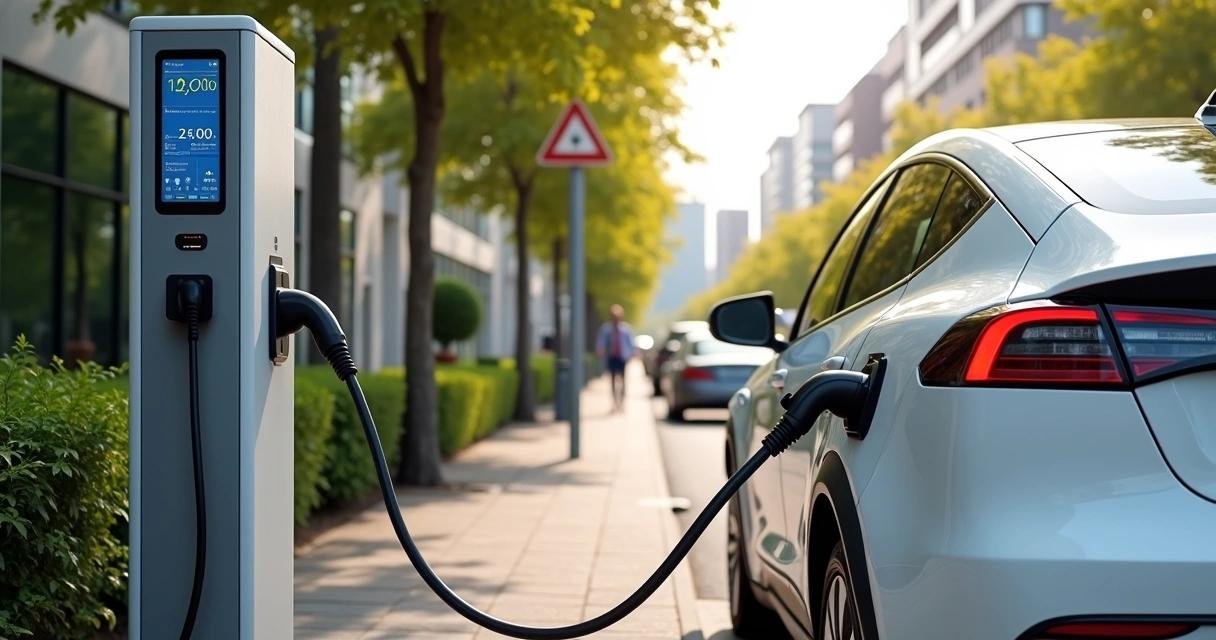
Modern transportation is increasingly influenced by energy efficiency, digital technology, and environmental considerations.
Electric vehicles have gained attention because they produce no tailpipe emissions and can reduce dependence on petroleum-based fuels.
Their overall environmental impact depends on vehicle production, electricity generation, battery manufacturing, and use.
Transportation systems are also incorporating digital navigation, traffic monitoring, automated assistance, electronic ticketing, and real-time passenger information.
Major developments shaping modern mobility
Battery-electric passenger cars and buses
High-speed and electrified rail networks
Connected traffic management systems
Advanced driver-assistance technologies
Improved charging infrastructure
More efficient commercial aircraft and shipping systems
These technologies aim to make journeys safer, more reliable, accessible, and energy-efficient.
10. The Future of Transportation
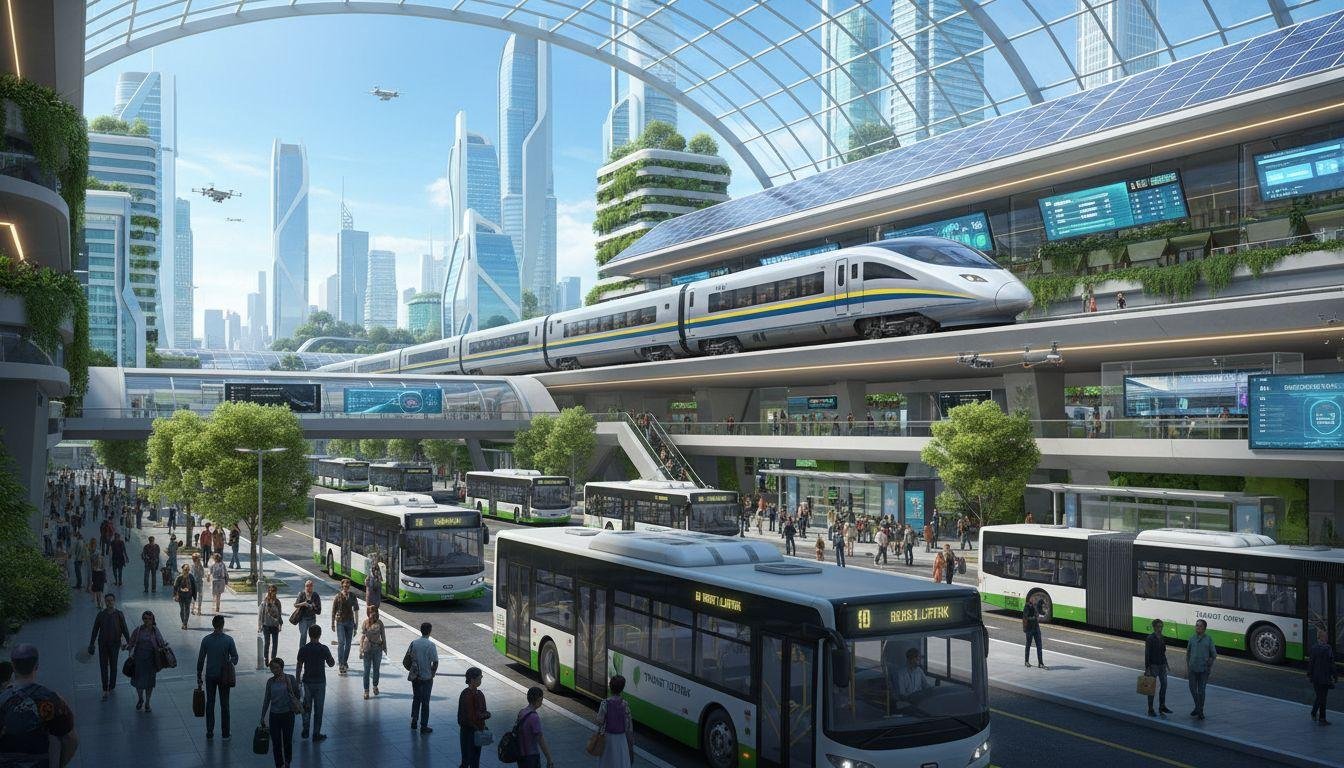
The next stage of transportation development is likely to involve a combination of cleaner energy, automation, improved infrastructure, and smarter network management.
Autonomous vehicle technology continues to be tested and developed, although its capabilities and public availability remain limited by technical, regulatory, and safety considerations.
New battery designs and charging systems may improve the practicality of electric mobility.
Railway operators are exploring higher-capacity systems and more efficient operations, while the aviation and shipping industries are investigating alternative fuels and other emissions-reduction technologies.
Some futuristic concepts, including vacuum-tube transport and passenger-carrying electric aircraft, remain experimental or commercially limited.
The future of transportation will depend not only on faster machines but also on safety, affordability, accessibility, infrastructure, and environmental impact.
11. Transportation History Timeline: Major Milestones
Period / Year | Major Development | Historical Significance |
|---|---|---|
Prehistory | Walking, rafts and early boats | Early human mobility and migration |
Around 3500 BCE | Wheeled vehicles emerge | New methods for moving goods |
Ancient civilizations | Carts, roads and sailing vessels | Expanded commerce and regional travel |
1769 | Cugnot’s steam road vehicle | Early mechanical road propulsion |
1804 | Trevithick’s steam locomotive | Demonstrated steam-powered rail haulage |
1825 | Stockton and Darlington Railway | Key early public railway milestone |
1830 | Liverpool and Manchester Railway | Regular intercity steam railway services |
1886 | Benz gasoline motorcar patent | Important milestone in automobiles |
1903 | Wright brothers’ powered flight | Beginning of controlled powered aviation |
1908 | Ford Model T | Expanded access to automobile travel |
1950s | Commercial jet travel expands | Faster long-distance passenger journeys |
1964 | Tokaido Shinkansen opens | Modern high-speed rail era |
21st century | Electric and digitally connected vehicles | New approaches to mobility and energy |
Dates represent selected milestones rather than the earliest use of every technology. Several transport systems developed gradually across multiple regions.
12. How Transportation Changed Human Civilization
Transportation innovations changed much more than the speed of travel.
They transformed economies by connecting producers with distant markets. Improved transport also allowed cities to grow, encouraged tourism, supported emergency services, and made cultural exchange easier.
The impact has not always been positive. Large transportation networks can create pollution, habitat disruption, traffic congestion, and unequal access.
Understanding transportation history therefore means examining both technological achievements and the social and environmental consequences of mobility.
Frequently Asked Questions
What was the first form of transportation?
Walking was the earliest form of human transportation. People later developed rafts, boats, sledges, and animal-powered methods.
When was the wheel invented?
The earliest evidence of wheels and wheeled vehicles dates to approximately the fourth millennium BCE, with significant developments occurring around 3500 BCE.
Conclusion: The Journey of Human Mobility
The evolution of transportation reflects humanity’s continuing effort to overcome distance.
From primitive boats and wooden wheels to steam locomotives, automobiles, aircraft, and high-speed trains, each development made new forms of travel possible.
Today, transportation connects global economies and communities on an unprecedented scale. Future progress will increasingly depend on balancing innovation with safety, sustainability, and accessibility.
Understanding how transportation evolved helps us appreciate both the inventions of the past and the challenges of building better systems for the future.
Explore More About Transportation
The history of transportation includes thousands of years of discoveries, inventions, and technological progress. Explore our related guides to learn more about how humans traveled in the past and how transportation continues to evolve.
Explore the major milestones in transportation history, from ancient wheeled vehicles to modern cars, trains, and aircraft.
Transportation from Ancient to Modern Times
Discover how transportation evolved through ancient civilizations, the Industrial Revolution, and the modern technological era.
A simple, engaging introduction to transportation history, designed for children, students, parents, and teachers.
Explore a visual collection of transportation history, including historic and modern vehicles, trains, ships, and airplanes.