AIRPLANES
The Complete 2026 Illustrated Guide
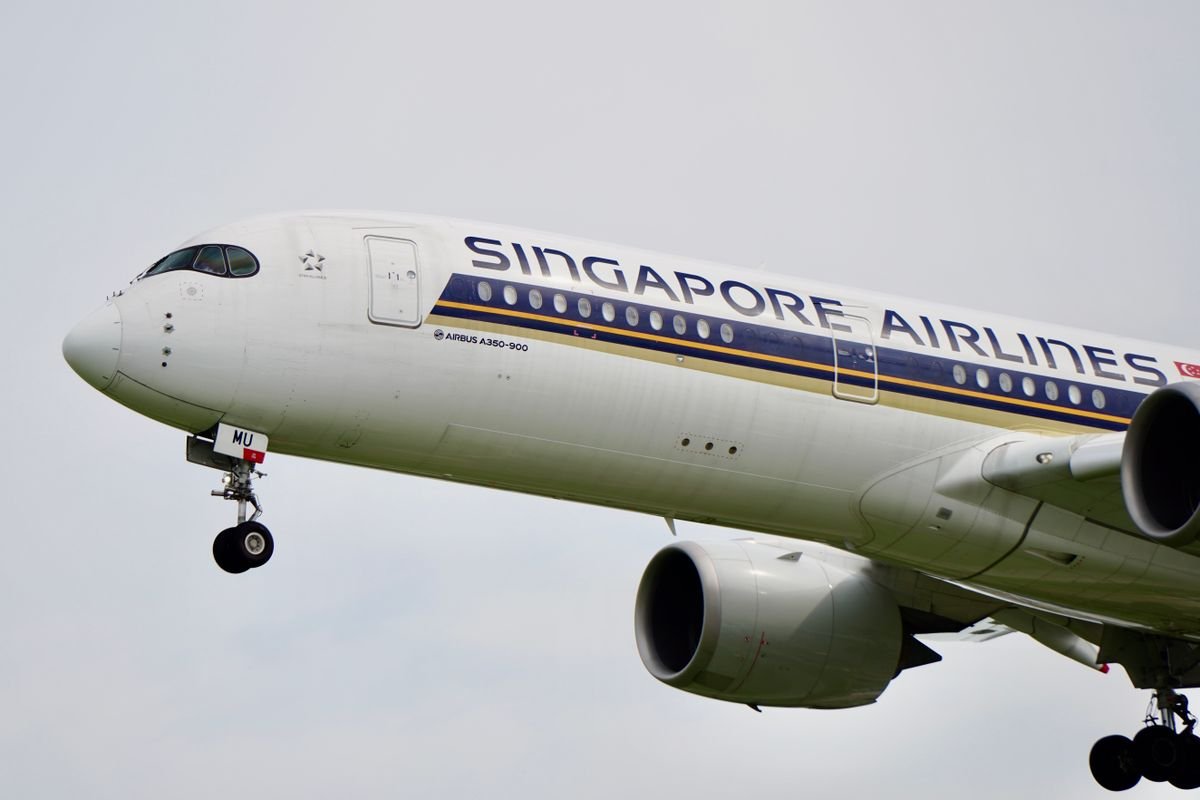
Photo: Singapore Airlines Airbus A350 in flight.
A cold December morning in 1903. A fragile wooden machine rattles down a rail on a North Carolina beach, lifts off, flies for 12 seconds, and drops onto the sand 120 feet away. That distance is shorter than a modern passenger jet is long.
Now jump to 2026. On one record day, Flightradar24 counted 153,359 commercial flights in a single day. Global airlines are expected to carry roughly 5.1–5.2 billion passengers this year. What began as a wooden-and-fabric gamble is now a trillion-dollar industry that connects the planet.
This illustrated guide brings together the world’s best airlines (Skytrax 2026), the safest carriers (AirlineRatings), busiest airports and routes, the latest safety data, longest flights, climate challenges, and the facts that make the sky feel brand new. Every major figure is sourced; every photo is credited.
In This Page
1. A Brief History of Airplanes
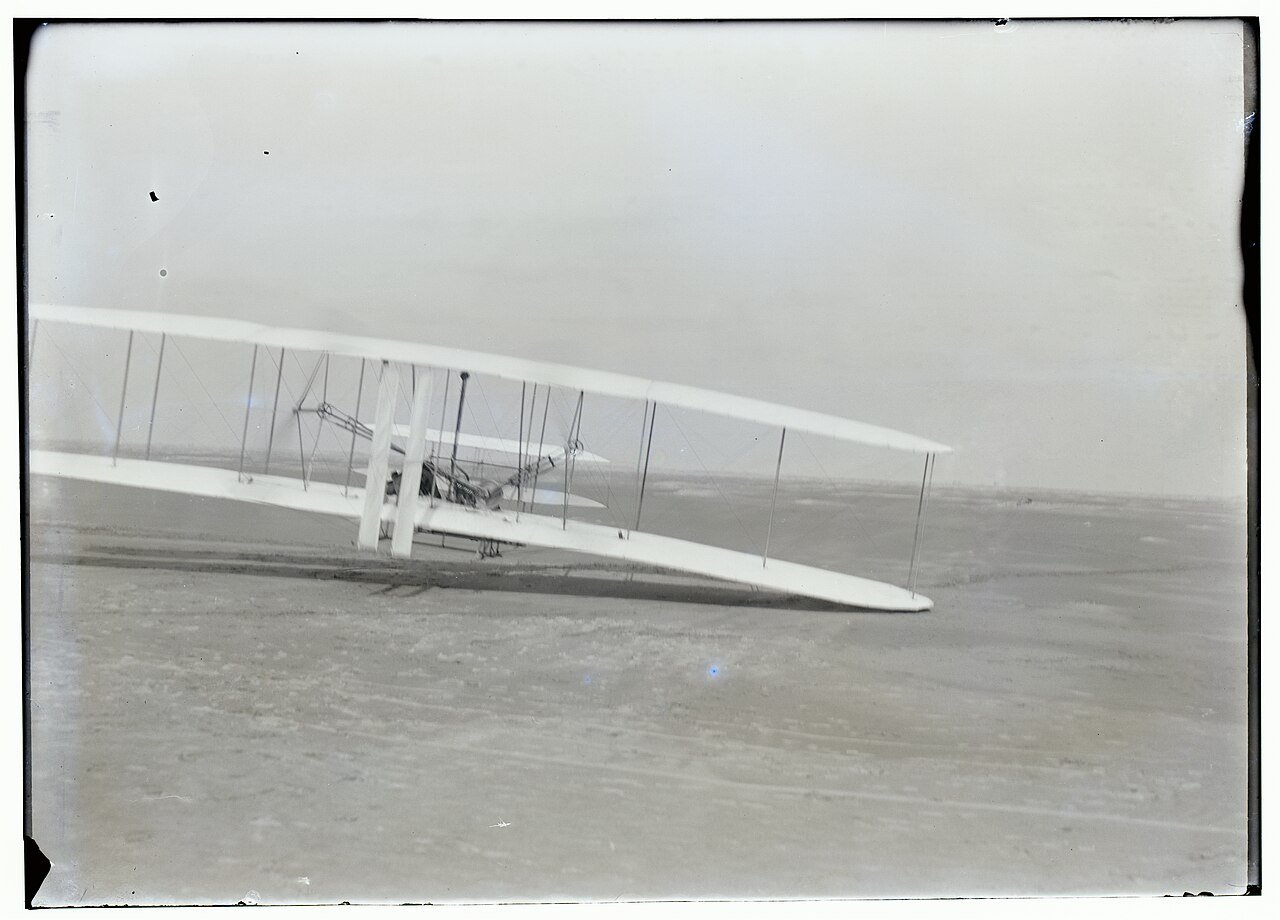
The modern airplane era began on 17 December 1903 when Orville and Wilbur Wright achieved the first controlled, sustained powered flight of a heavier-than-air aircraft at Kitty Hawk, North Carolina. Orville’s first flight lasted 12 seconds and covered about 120 feet. That same day the brothers made four flights; Wilbur’s final attempt covered 852 feet in 59 seconds.
The following decades brought stronger engines, metal airframes, jet power and wide-body jets that made mass international travel possible. Today’s aircraft use advanced composites, digital fly-by-wire controls and high-bypass turbofan engines.
2. How Does an Airplane Fly?
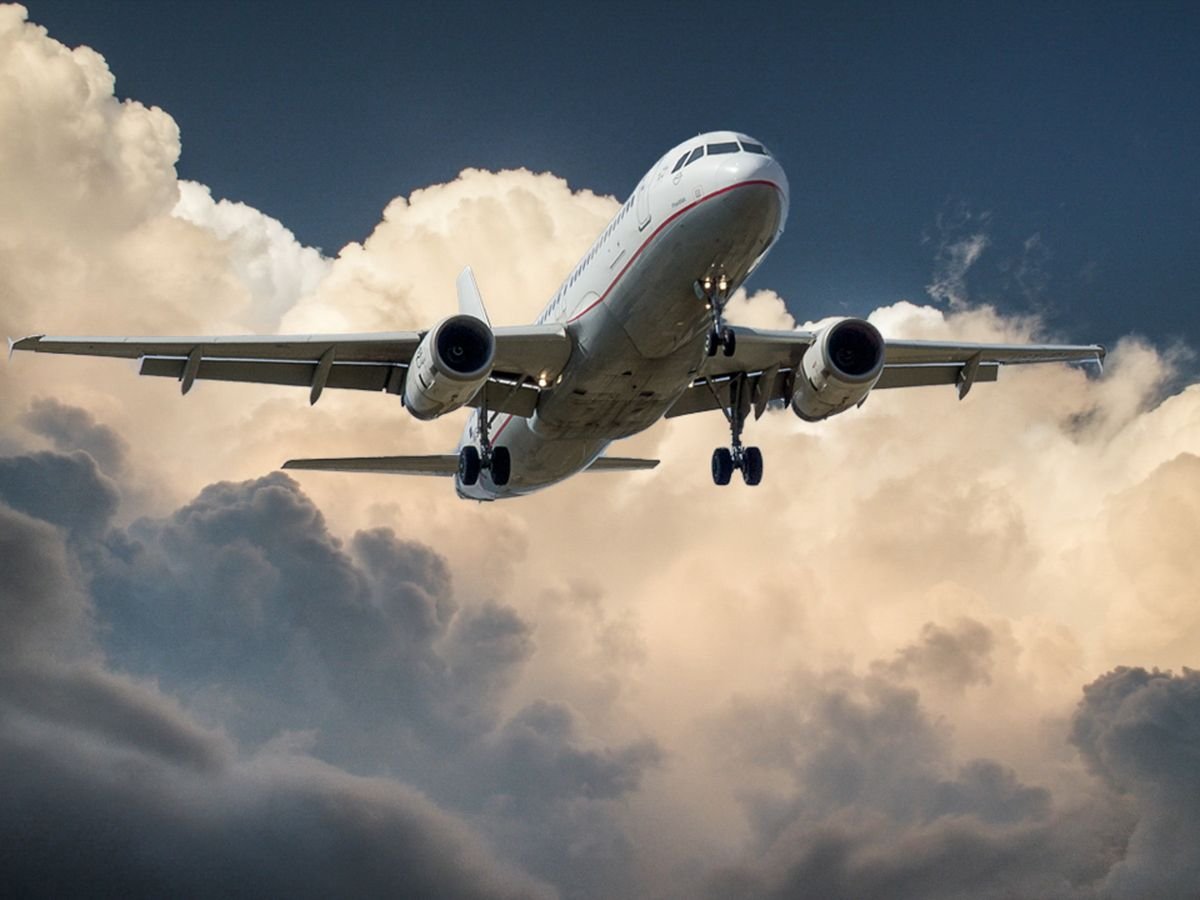
A fully loaded widebody can weigh 350–575 tonnes at takeoff. Four forces keep it airborne:
Lift — wings (airfoils) create lower pressure above and turn air downward (Newton’s third law).
Weight — gravity.
Thrust — engines pushing the aircraft forward.
Drag — air resistance.
In level flight, lift equals weight and thrust equals drag. Modern turbofans produce over 100,000 lb of thrust each and cruise efficiently at 31,000–42,000 ft. Note: the popular “equal transit time” story of lift is incorrect; NASA and the FAA emphasise pressure distribution and downward airflow deflection.
3. Main Types of Airplanes
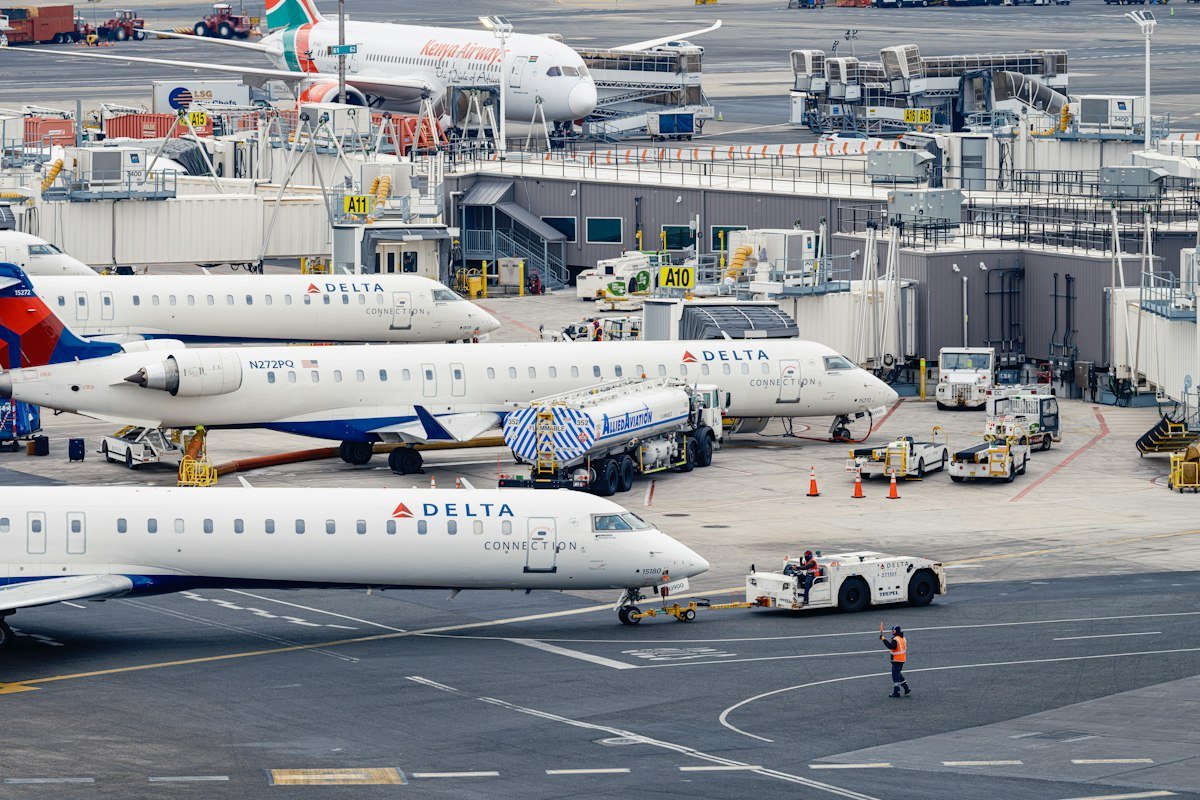
Commercial passenger airplanes — Narrow-body (Boeing 737, Airbus A320 families) for short/medium haul; wide-body (787, A350) for long haul.
Cargo airplanes — Freighters and converted passenger jets.
Regional & general aviation — Smaller jets, turboprops and piston aircraft.
Military and special-purpose — Transport, surveillance, firefighting, medevac and research aircraft.
4. Air Travel by the Numbers
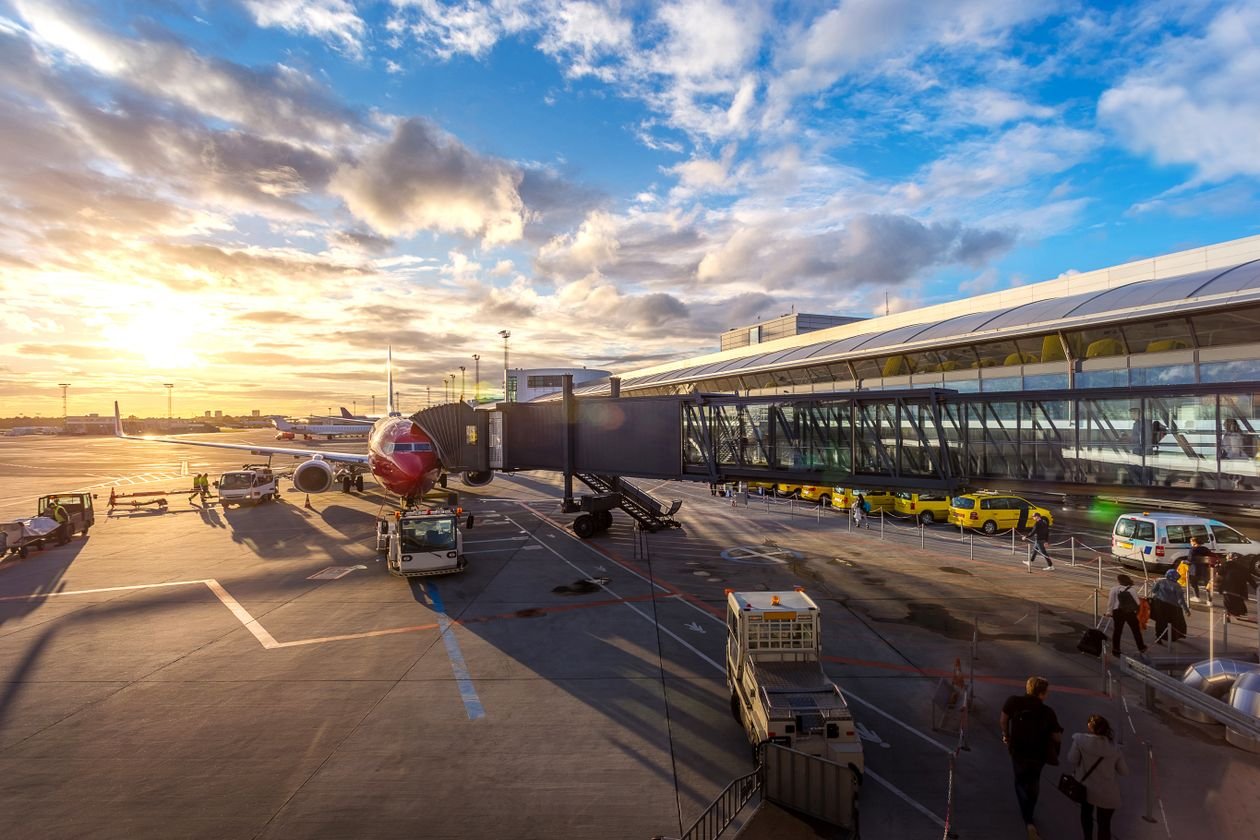
IATA data show airlines carried roughly 4.97–5.0 billion passengers in 2025 and are forecast to reach about 5.1–5.2 billion in 2026. Load factors hit all-time highs near 83.6–83.8%. Airports recorded about 9.8 billion passenger movements in 2025. After the 2020 crash to 1.78 billion, traffic recovered past 2019 levels by 2024. Asia-Pacific, Latin America and Africa lead growth.
5. World’s Best Airlines 2026 (Skytrax)
Singapore Airlines reclaimed the title at the 2026 Skytrax World Airline Awards—its sixth win—pushing Qatar Airways to second. Asian and Middle Eastern carriers dominate; no US airline reached the global Top 10. Air Canada was named best in North America. Skytrax rankings are passenger-voted experience awards, not safety rankings.
Rank | Airline | Country | Notable |
1 | Singapore Airlines | Singapore | World’s Best; Best Economy |
2 | Qatar Airways | Qatar | Best Business Class; Best Wi-Fi |
3 | Cathay Pacific | Hong Kong | World’s Best Cabin Crew |
4 | ANA | Japan | Top-4 |
5 | Turkish Airlines | Türkiye | Best Airline in Europe |
6–10 | Emirates, Air France, Hainan, JAL, Korean Air | — | All Top-10 finishes |
6. World’s Safest Airlines 2026 (AirlineRatings)
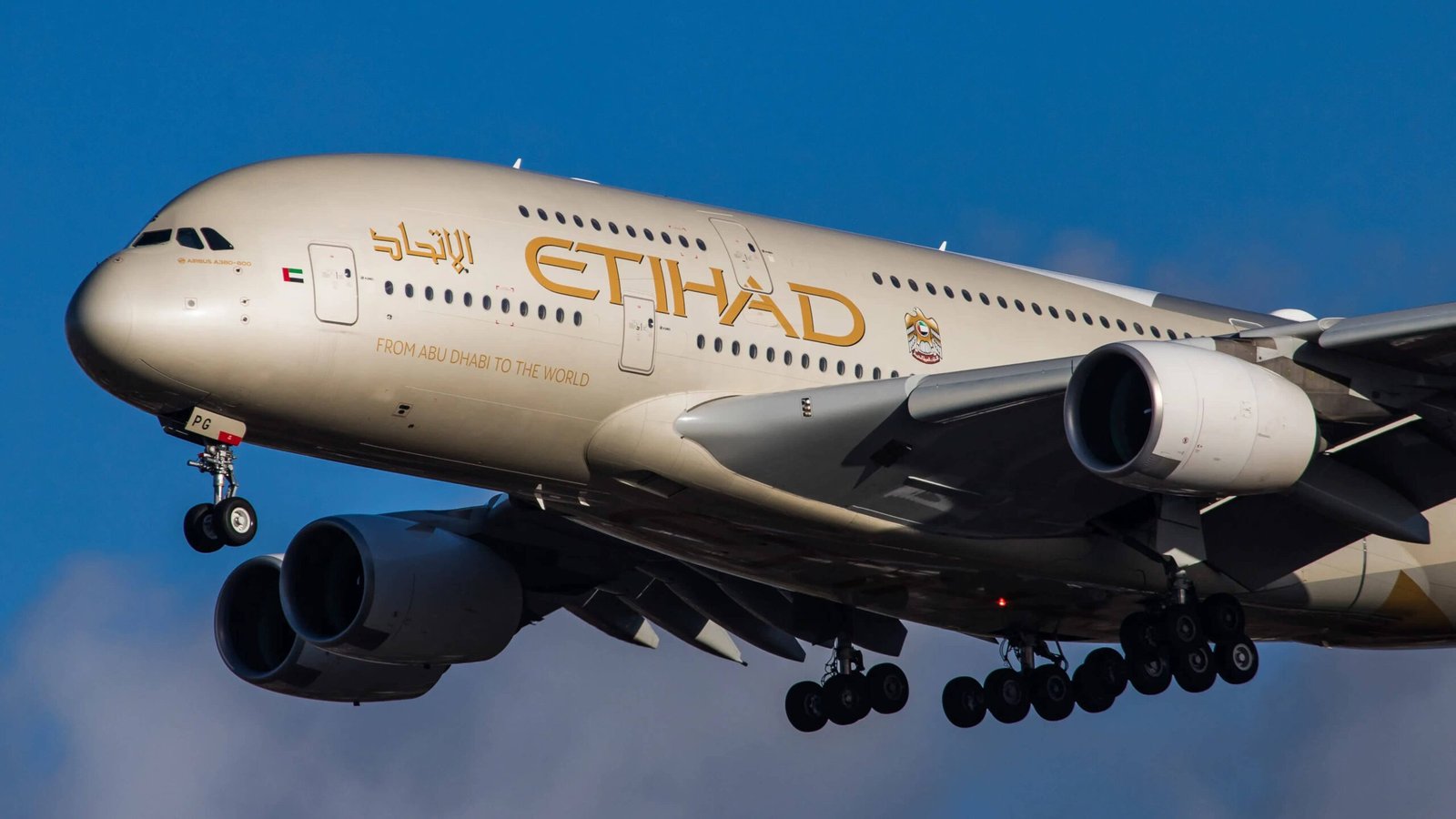
AirlineRatings.com evaluated 320+ airlines. Etihad Airways took the top safety spot for the first time as a Gulf carrier. The gaps among the top carriers are small; every airline in the top 25 is a world leader. Low-cost leaders: HK Express, Jetstar, Scoot.
Rank | Airline | Rank | Airline |
1 | Etihad Airways | 6 | Air New Zealand |
2 | Cathay Pacific | 7 | Singapore Airlines |
3 | Qantas | 8 | EVA Air |
4 | Qatar Airways | 9 | Virgin Australia |
5 | Emirates | 10 | Korean Air |
7. World’s Busiest Airports 2025
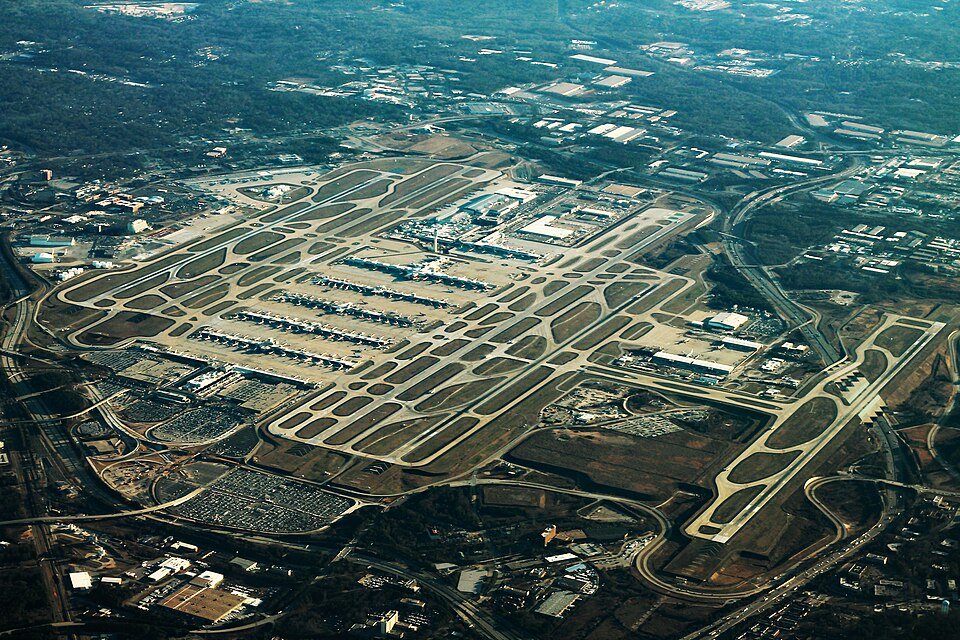
Hartsfield-Jackson Atlanta remains #1 with 106.3 million passengers. Dubai is the international leader (95.2 M). Tokyo Haneda rose to third (91.7 M). Chicago O’Hare led aircraft movements (~857,000). Sources: ACI World 2025 rankings (published 2026)
Rank | Airport | Passengers 2025 |
1 | Atlanta (ATL), USA | 106.3 million |
2 | Dubai (DXB), UAE | 95.2 million |
3 | Tokyo Haneda (HND), Japan | 91.7 million |
4 | Dallas/Fort Worth (DFW), USA | 85.7 million |
5 | Shanghai Pudong (PVG), China | ~85.0 million |
Busiest route: Jeju–Seoul Gimpo (14.4 million seats in 2025). Source: OAG & ACI. https://www.oag.com/ | https://aci.aero/
8. Is Flying Safe?
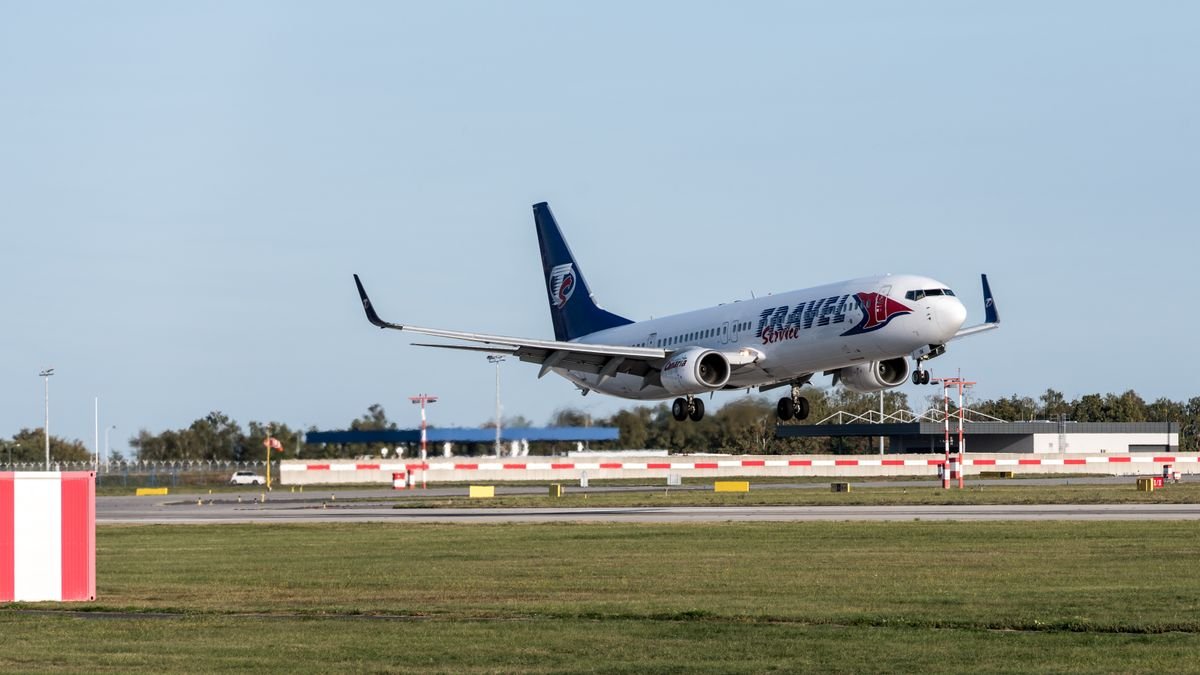
Yes—and it keeps improving. Fatal accident rates have fallen from roughly one per 3.5 million flights a decade ago to about one per 5.6 million flights in the latest multi-year window. In 2025 airlines flew ~38.7 million flights with an all-accident rate of 1.32 per million. IATA members (IOSA-audited) achieved 0.72 per million. Zero Loss of Control In-flight accidents occurred on commercial jets in 2025.
9. Record Flights, Razor-Thin Profits
Despite record load factors, airline net profit margins remain thin. IATA’s late-2025 outlook projected $41 billion profit for 2026 (~3.9% margin); later revisions due to fuel and disruption pointed closer to $23 billion (~2%). The industry has never sustained a net margin above 5%.
Source: IATA economic reports.
10. Airbus vs Boeing 2025
Airbus delivered 793 aircraft; Boeing 600 (highest since 2018). Boeing booked more net orders. The 737 and A320 families remain the workhorses of the global fleet. Sources: Airbus & Boeing year-end reports.
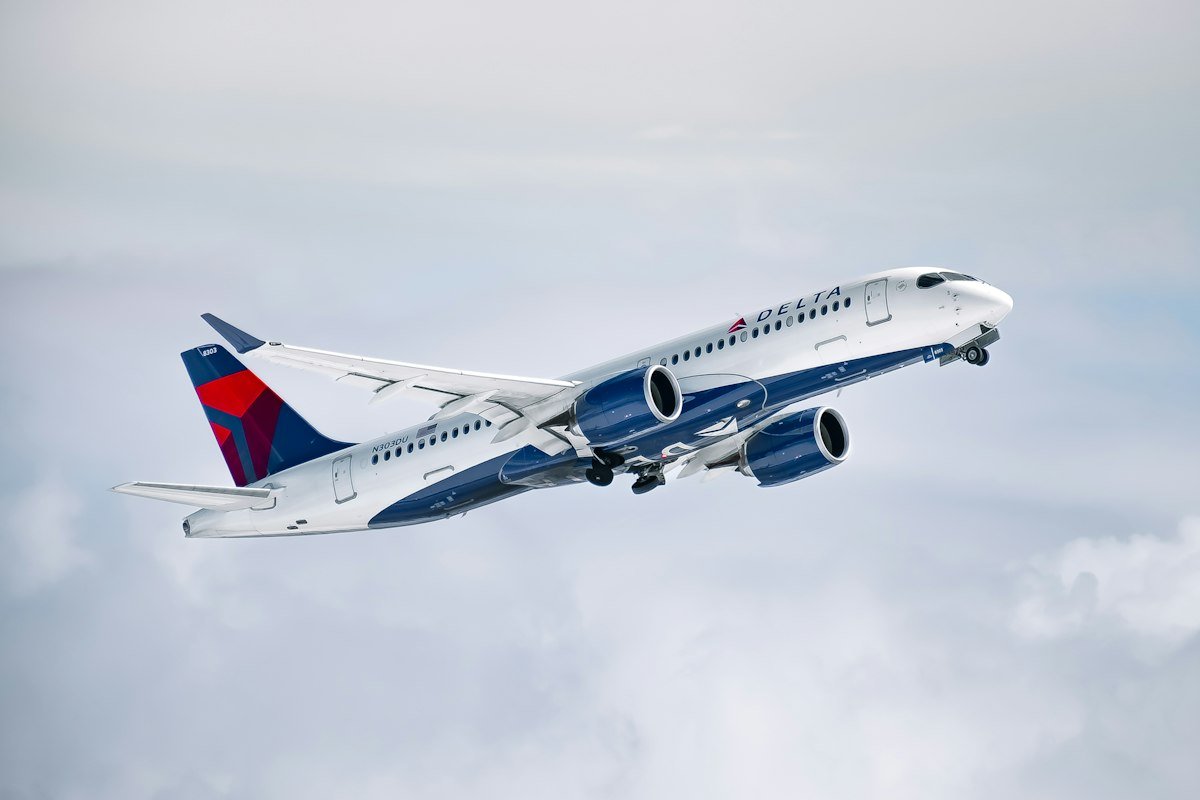
11. The Longest Flights
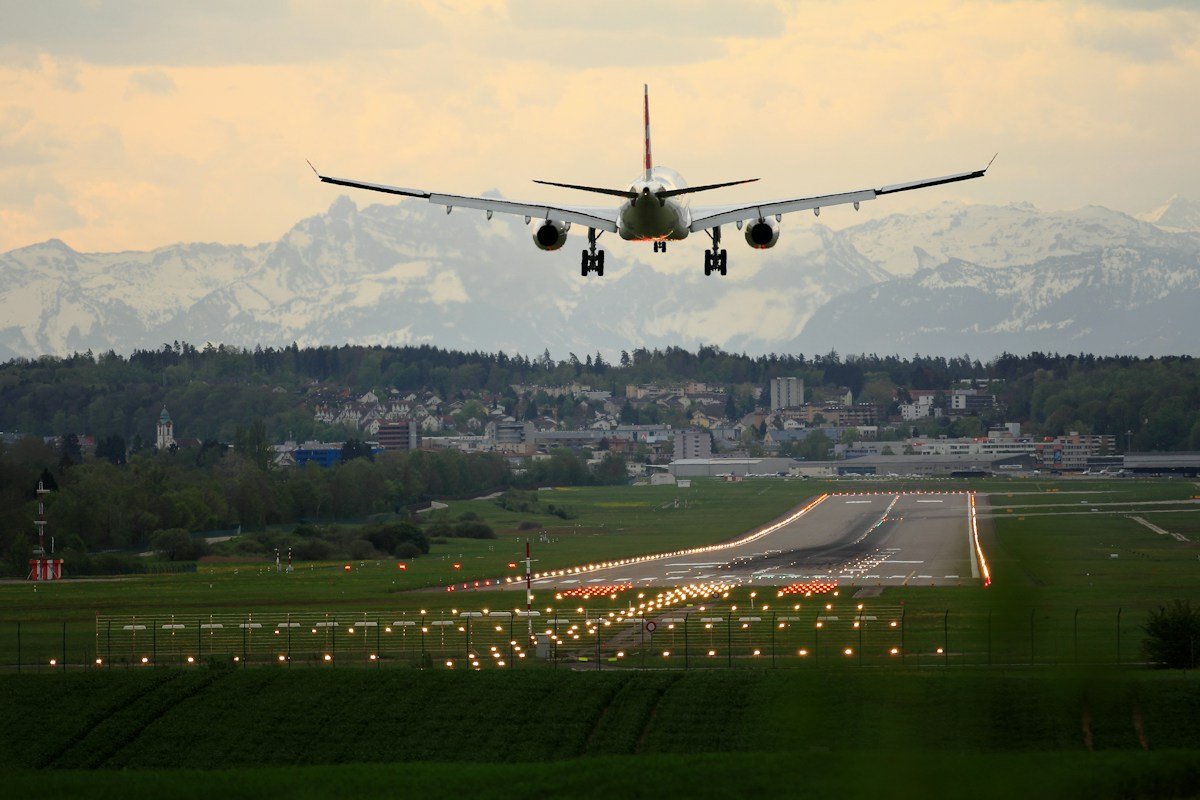
Longest scheduled service today: Singapore Airlines Singapore–New York (~15,349 km, <19 h). Qantas Project Sunrise A350-1000ULR aims for nonstop Sydney–London (up to 22 h) from October 2027. A 2026 Melbourne–Toulouse test flight of the same type covered 23,155 km in 24 h 24 min (Guinness record for commercial airliner distance, test flight only)
12. Aviation and the Climate
Aviation produces ~2–2.5% of global energy-related CO₂. Sustainable Aviation Fuel (SAF) still accounts for well under 1% of jet fuel but is central to the industry’s 2050 net-zero pledge.
13. Fun & Mind-Blowing Airplane Facts
Here are some of the most surprising, fun and little-known facts about airplanes and flying:
- The Wright brothers’ fourth flight on 17 December 1903 lasted 59 seconds and covered 852 feet — still shorter than the economy cabin of many modern jets.
- NASA’s Ingenuity helicopter made the first powered, controlled flight on another world (Mars) in April 2021 at a site named Wright Brothers Field.
- Dubai International handles about 95 million passengers a year — and virtually all of them are international because the UAE has no domestic commercial flights.
- The world’s busiest air route (Jeju–Seoul Gimpo) runs around 97 return flights every single day — more than one every 15 minutes.
- Cabin air is completely refreshed 20–30 times per hour through hospital-grade HEPA filters that capture 99.97% of airborne bacteria and viruses.
- A commercial airliner is struck by lightning on average about once a year. Planes are designed as Faraday cages so the charge travels harmlessly around the exterior.
- Pilots and co-pilots are required to eat completely different meals to avoid the risk of both being incapacitated by food poisoning at the same time.
- Airplane tires are inflated with pure dry nitrogen to around 200 psi (roughly six times a car tire) to prevent moisture freezing and to reduce fire risk during heavy braking.
- At cruising altitude the cabin is so dry and the pressure so low that your sense of taste drops by about 30%. That is why tomato juice and heavily seasoned airline meals taste better in the sky.
- Concorde’s fastest New York–London crossing took just 2 hours, 52 minutes and 59 seconds (1996) — still a commercial passenger record.
- The Airbus A380 can be certified for up to 853 passengers in an all-economy layout, although airlines usually install far fewer seats for comfort.
- Wings flex upward by several metres in flight by design. This flexibility helps them absorb gust loads and turbulence safely.
- A modern jet can glide for more than 100 miles (160+ km) if both engines fail, giving pilots time to find a suitable landing site.
- The black box (flight data and cockpit voice recorders) is actually bright orange so it is easier to find after an accident.
- There are roughly 10,000 commercial aircraft in the air at any given moment, carrying more than a million people simultaneously.
- The first in-flight meal was served by Handley Page Transport in 1919 — a lunch box of sandwiches and fruit for the London–Paris route.
- Oxygen masks drop automatically if cabin pressure falls. You have only a few seconds of useful consciousness at high altitude, which is why the instruction is “put your own mask on first”.
- The Boeing 747’s distinctive upper deck was originally designed so the nose could open for cargo loading — the passenger “hump” was a clever side-effect.
- A fully loaded Airbus A380 at takeoff weighs about the same as 80 adult African elephants — yet it still lifts off gracefully.
Smart Flyer Takeaways
- Check both Skytrax (experience) and AirlineRatings (safety); prefer IATA IOSA carriers.
- In an evacuation, leave your bag behind.
- Fuel costs are elevated in 2026—book early when possible.
- Buy tickets only from official airline sites or authorised agents.
Frequently Asked Questions
Q1. Safest airline in 2026?
Etihad Airways (AirlineRatings). Top 5 also include Cathay Pacific, Qantas, Qatar Airways and Emirates.
Q2. Best airline for passenger experience?
Singapore Airlines (Skytrax 2026), followed by Qatar Airways and Cathay Pacific.
Q3. Is flying safer than driving?
Yes—by a very large margin when measured per passenger-kilometre or per flight.
Q4. Busiest airport?
Atlanta Hartsfield-Jackson (106.3 million passengers in 2025).
Q5. Longest passenger flight available now?
Singapore–New York (~19 h). Sydney–London nonstop planned for late 2027.
Q6. How many people fly each year?
Roughly 5.1–5.2 billion passengers expected in 2026.
Q7. Do planes get hit by lightning?
About once a year on average. They are designed so the charge passes harmlessly around the exterior.
Q8. Why does food taste different in the air?
Cabin pressure and very low humidity reduce taste sensitivity by around 30%.
Q9. What is SAF?
Sustainable Aviation Fuel—can cut lifecycle emissions up to 80%. Still <1% of jet fuel but critical for net-zero 2050.
Q10. Who is winning Airbus vs Boeing?
Airbus leads deliveries; Boeing led orders in 2025. Both remain dominant.
Final Thought
- In 1903 a flight lasted 12 seconds. In 2026 the industry runs more than 150,000 flights on its busiest days, and test aircraft have stayed airborne more than 24 hours. Flying is safer than a decade ago, busier than ever, and still full of firsts.
- Disclaimer: Figures reflect sources available 21–22 November 2026. Rankings and forecasts can change. This article is informational only.
Go deeper
Explore the Airplane Timelines
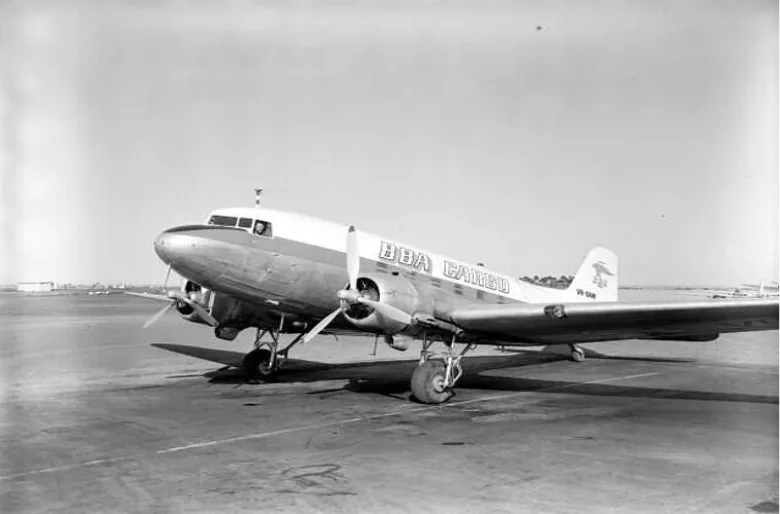
Full story
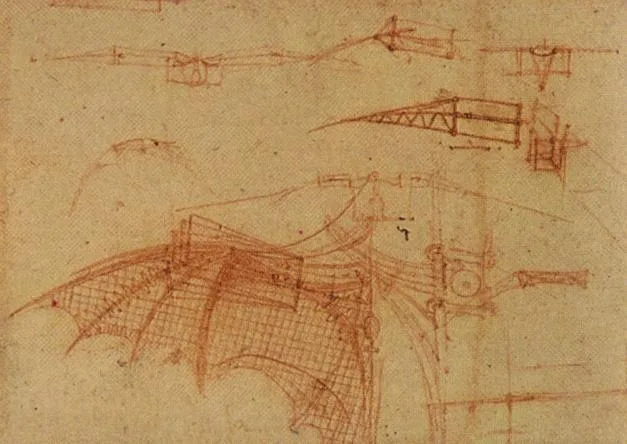
Picture timeline