From Wicker Chairs to Private Sky-Suites
The Complete Evolution of Airplane Seats (1919–2026)
Every time you board a commercial flight and quietly debate whether three extra inches of legroom is worth the upgrade fee, you are sitting inside a century-long tug-of-war. On one side sits human anatomy. On the other sits aerospace economics, fuel burn, and the pressure to fit one more row of paying passengers.
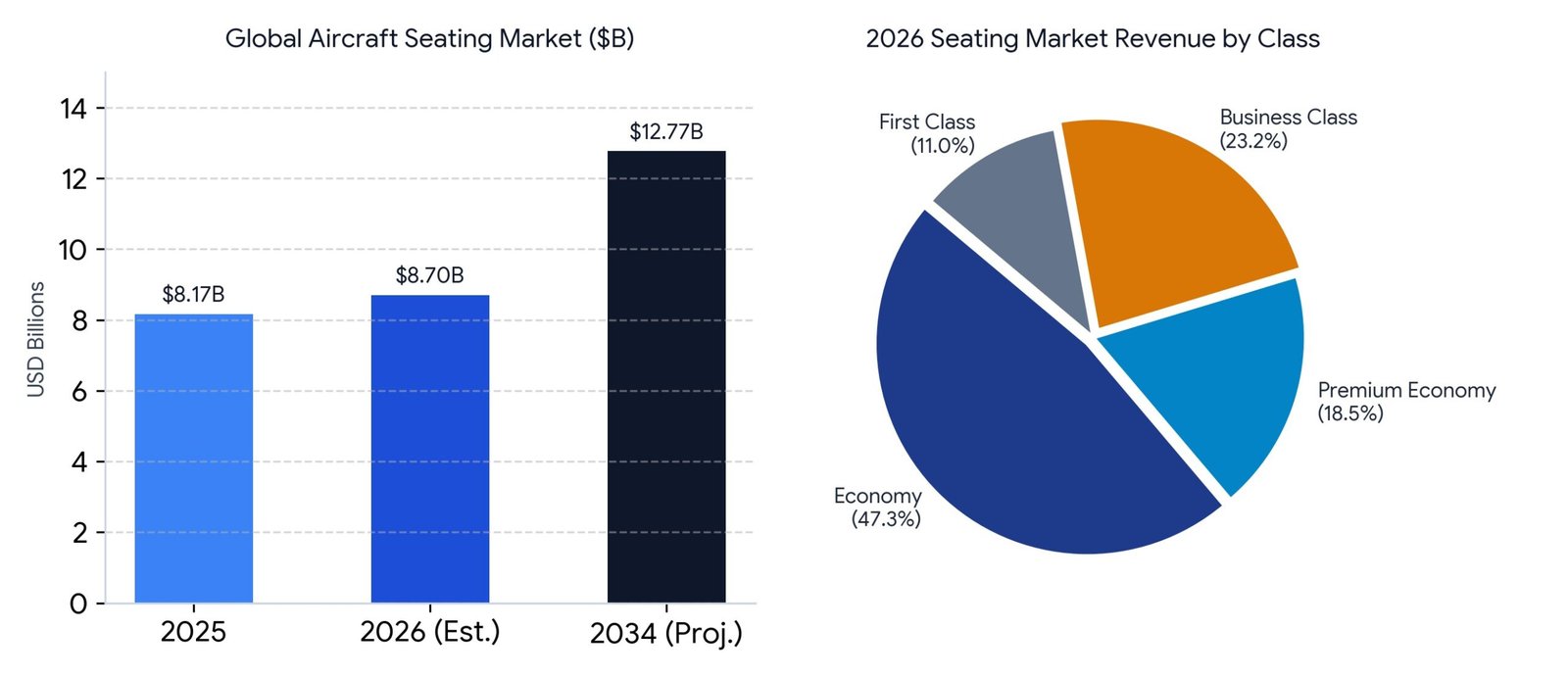
Today the global aircraft seating market is valued at roughly USD 8.70 billion (2026) and is projected to reach approximately USD 12.77 billion by 2034 (Fortune Business Insights). Yet the humble airplane seat began as little more than patio furniture bolted to a wooden floor.
1. The Wicker Age: When Flying Felt Like a Private Club (1919–1939)
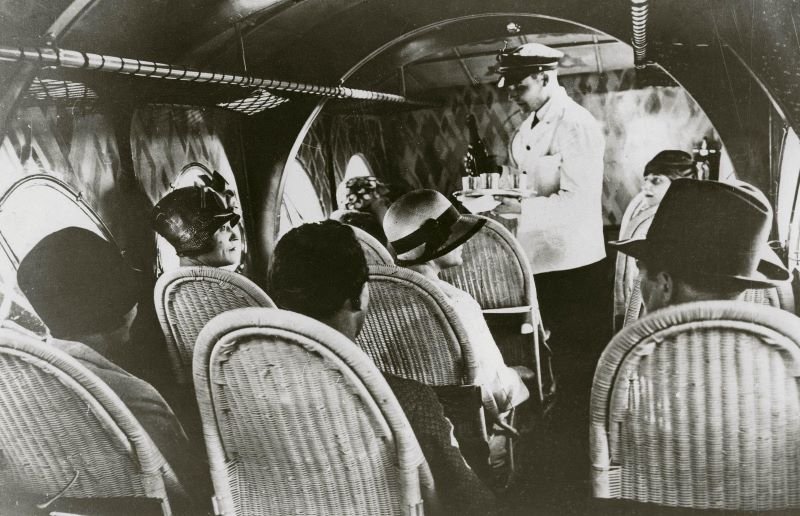
In the earliest days of commercial aviation, the real challenge was simply staying aloft. Engines lacked the power to lift heavy timber or steel furniture, so designers reached for the lightest material they knew: wicker.
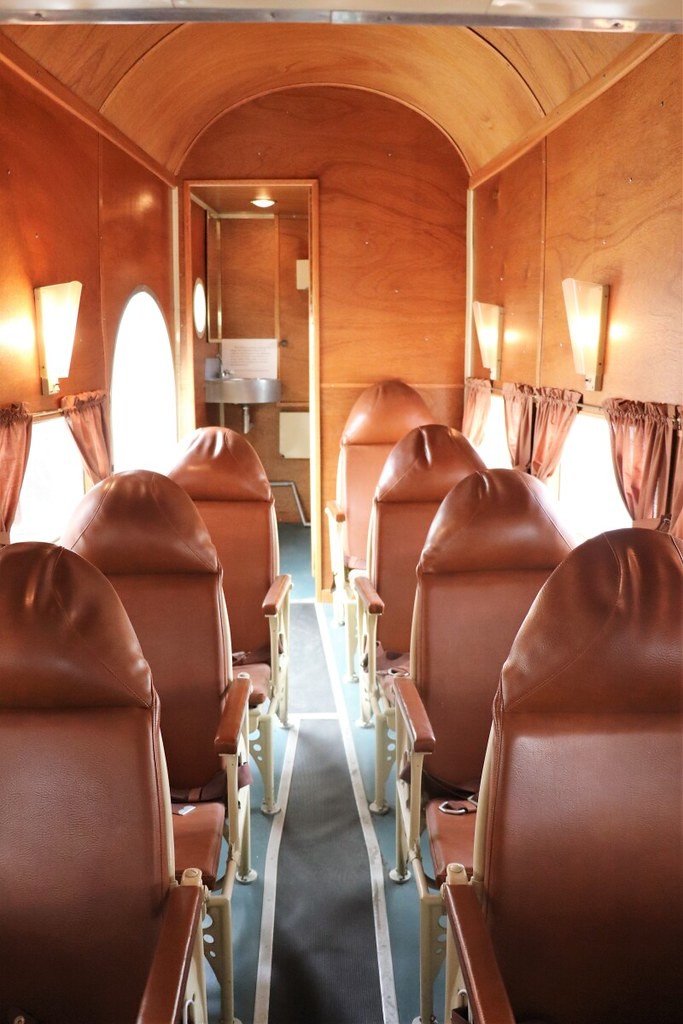
In 1919 the Lawson Airliner introduced the first dedicated passenger seats — lightweight wicker chairs. By 1929 the Boeing 80A carried 18 padded wicker seats complete with reading lights. Around 1930 the Aluminum Company of America (Alcoa) introduced lightweight aluminum frames that still form the backbone of most aircraft seats today. By 1936 the Douglas DC-3 popularized rubber-covered foam cushions, a major step toward modern comfort.
Fun Fact: Leather became popular on early seats not just for looks — it was easy to wipe clean of the soot and dust that covered passengers after landing on unpaved runways.
2. Planes With Bedrooms: Sleeper Berths Before “Lie-Flat” (1930s–1940s)
Long before airlines sold “lie-flat” as a luxury upgrade, 1930s and 1940s long-haul aircraft borrowed ideas from night trains and ocean liners. Some cabins featured seats that converted into berths with curtains for privacy. The Boeing 307 Stratoliner — identified by the Smithsonian National Air and Space Museum as the first pressurised airliner to enter commercial service — combined this hospitality model with a genuine engineering leap: flying higher, above most weather, while keeping the cabin comfortable.
Boeing’s later 377 Stratocruiser even offered a spiral staircase to a lower-deck lounge and drop-down overhead berths on some configurations. Curator John H. Hill of SFO Museum later observed a striking historical pattern: seat comfort and flight duration have often moved in inverse proportion. The longer the flights became, the tighter the average economy seat tended to get — until premium cabins fought back with true beds.
Sources: Smithsonian NASM; Air & Space Magazine; Airways Magazine; SDASM Archives.
3. The Jet Age and the Birth of Economy Class (1950s–1960s)
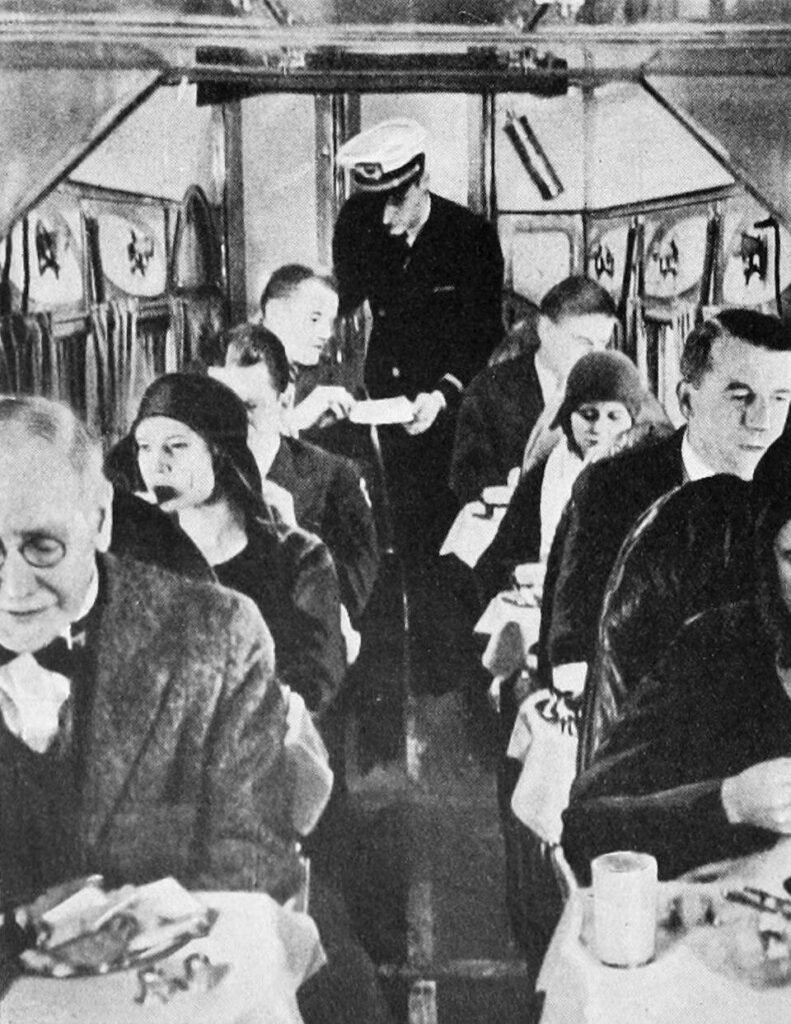
When jets such as the Boeing 707 entered service, air travel suddenly became accessible to a much wider public. Airlines split the cabin. Early jet economy pitch commonly ranged from 34 to 36 inches. Pan Am’s early 707 seats measured about 19 inches wide — wider than many of today’s economy products. The introduction of “tourist class” and six-abreast seating on narrow-bodies began the long process of densification that continues today.
Fun Fact: In the regulated era of the 1960s, a typical transatlantic economy seat offered roughly the same pitch and width that many airlines now reserve for premium economy.
Sources: Aircraft Interiors International; Boeing historical data; Travel + Leisure interview with PJ Wilcynski.
4. Jumbo Jets, Sky Lounges and the First Space Wars (1970s)
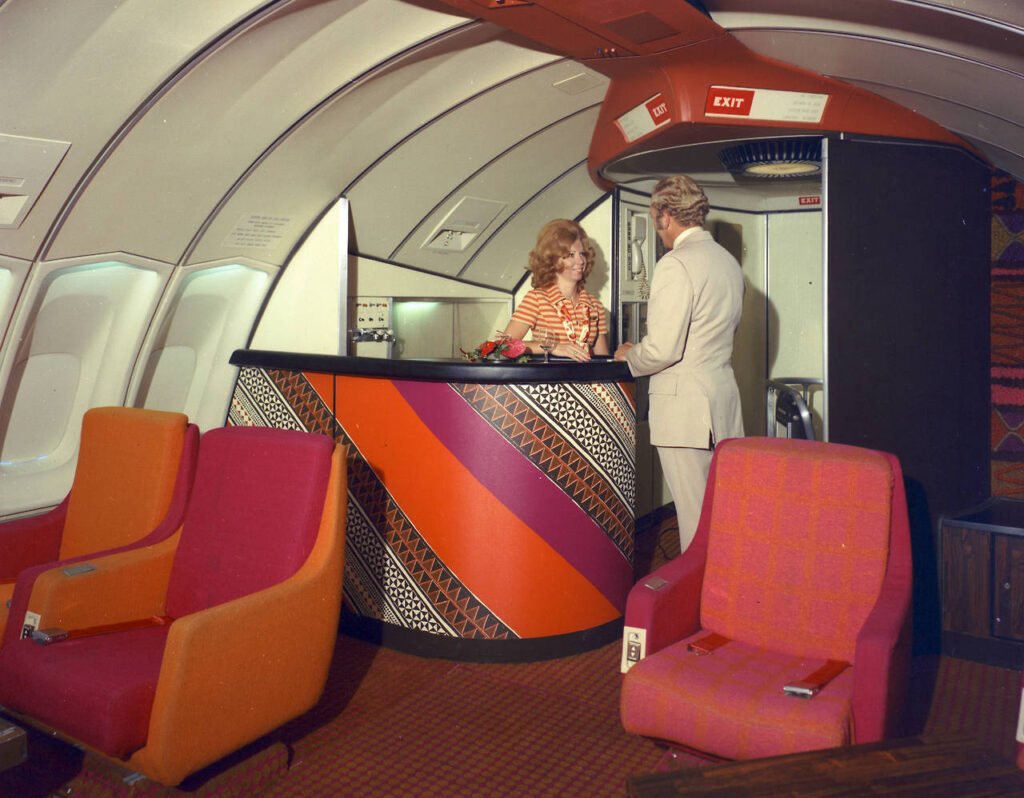
The arrival of the Boeing 747 in 1970 gave airlines volume they had never possessed before. Twin aisles and an upper deck made room for lounges, piano bars, spiral staircases and even a few proper beds. Many of those glamorous lounges were later converted into additional rows of paying seats as economic pressure increased. The Airbus A380 would later revive the lounge idea for a select group of premium passengers, but the direction of travel for most cabins was already set: more seats, not more space.
Sources: Airways Magazine; Boeing; Aircraft Interiors International; USC Libraries Wayne Thom Photography Collection
5. The Inch Wars: Why Your Seat Keeps Shrinking (1978–Present)
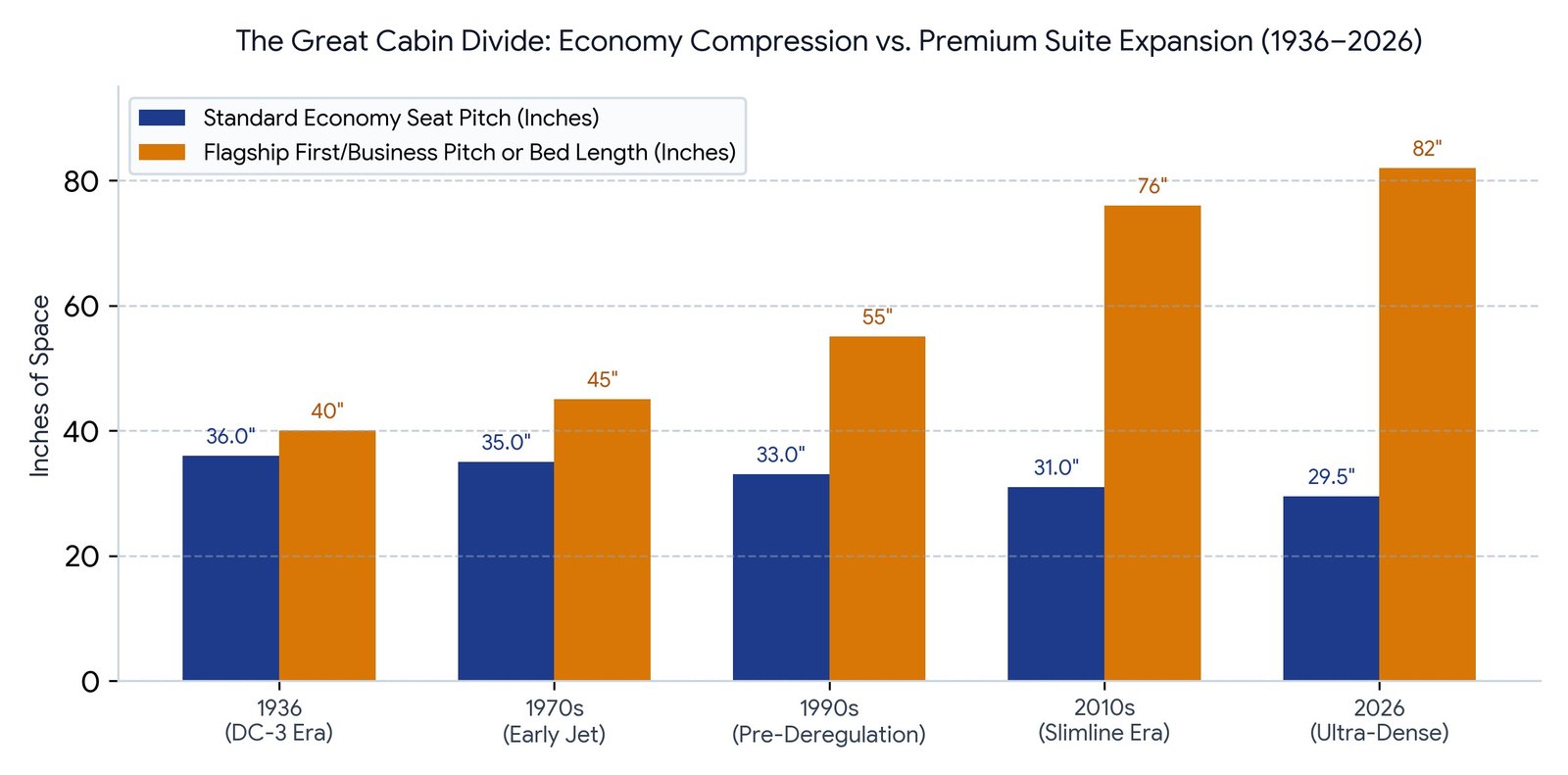
After U.S. airline deregulation in 1978, competition intensified and average economy pitch began a long decline — from roughly 35 inches toward 31 inches, and as low as 28 inches on some low-cost carriers. Seat width also narrowed on many narrow-body fleets. Slimline seats (thinner seatbacks) arrived as a partial technical solution: they can preserve a little knee room while allowing one extra row. Lighter seats also save fuel, a permanent economic incentive.
A federal judge once titled the dispute “The Case of the Incredible Shrinking Airline Seat.” Importantly, the FAA does not set minimum pitch or width; it relies on evacuation standards and the 16g dynamic test requirements instead.
6. The Flat-Bed Revolution and the Rise of the Suite (1995–2026)
British Airways introduced a fully flat bed in first class in the mid-1990s and then, in 2000, launched the pioneering Club World fully flat business-class product that changed the industry. Direct aisle access, reverse-herringbone layouts and later privacy doors became the new competitive benchmarks. Premium economy filled the gap between dense economy and expensive suites. True first class became rarer as excellent business-class suites captured much of the demand.
Fun Fact: A single modern business-class or first-class suite can cost an airline between $60,000 and $150,000+ to design, certify and install.
Sources: Airways Magazine; British Airways High Life; Airbus; Skytrax.
7. The Invisible Hero: 16G Crash Physics and Safety
Modern commercial aircraft seats must pass rigorous dynamic tests under 14 CFR 25.562, including a forward crash pulse that reaches at least 16g. That is why the seatback must be upright for takeoff and landing — it locks the structure into its strongest certified geometry and keeps the evacuation path clear. Fire-blocking layers on cushions and strict flammability rules also date from this safety-driven era.
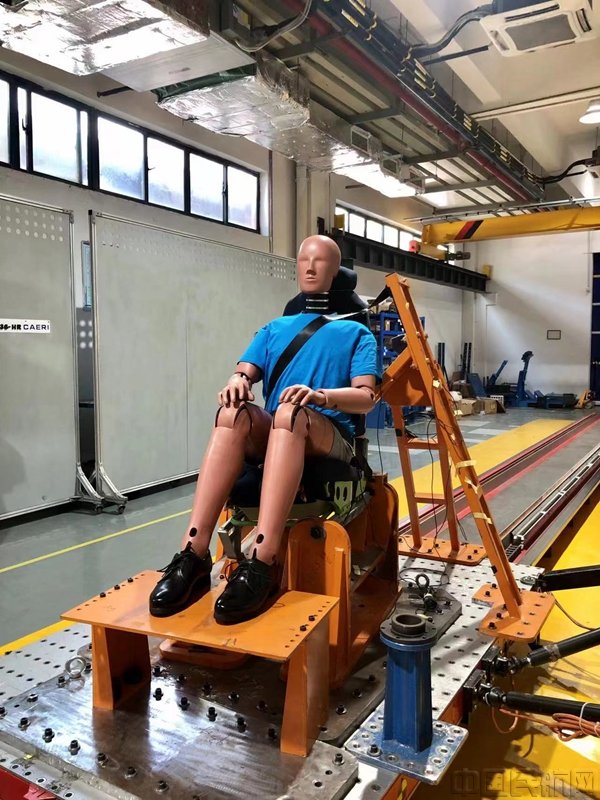
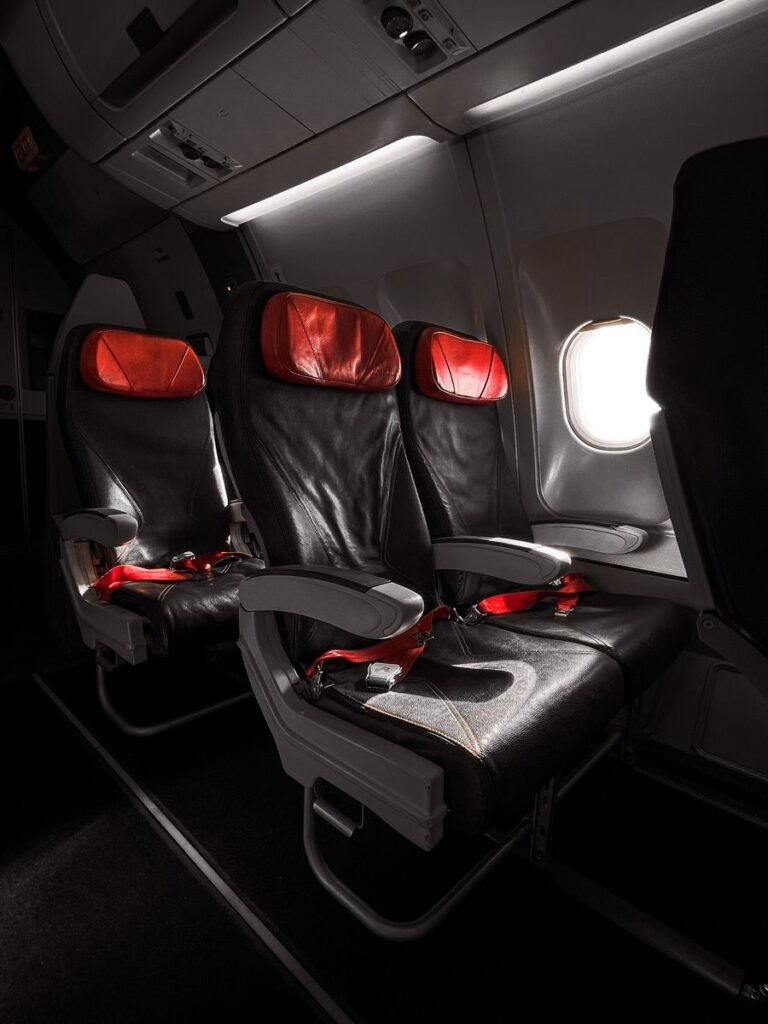
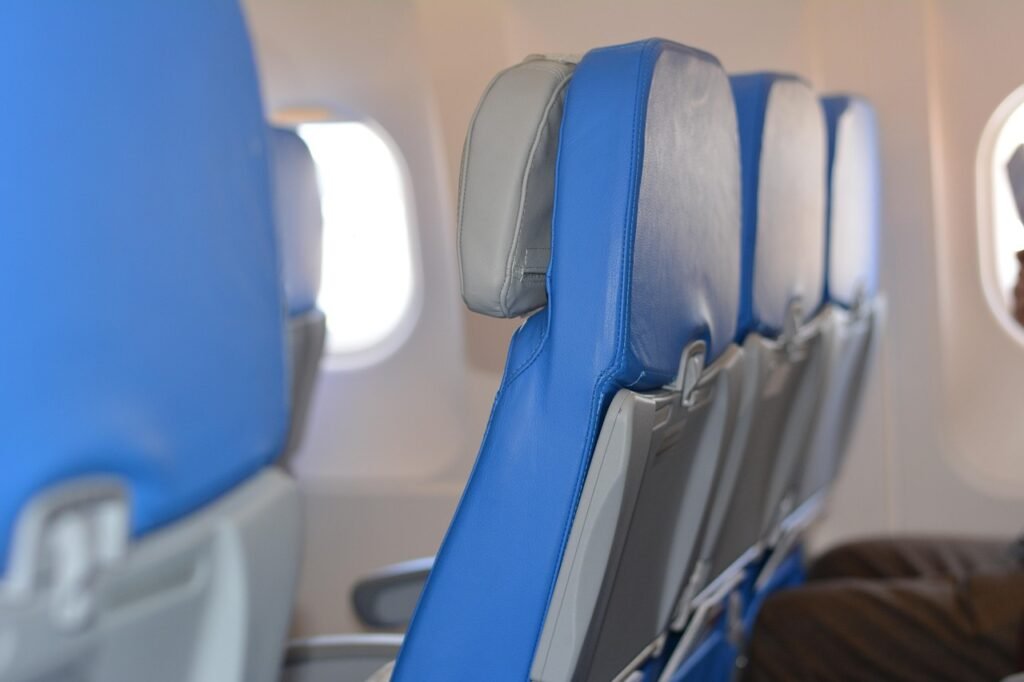
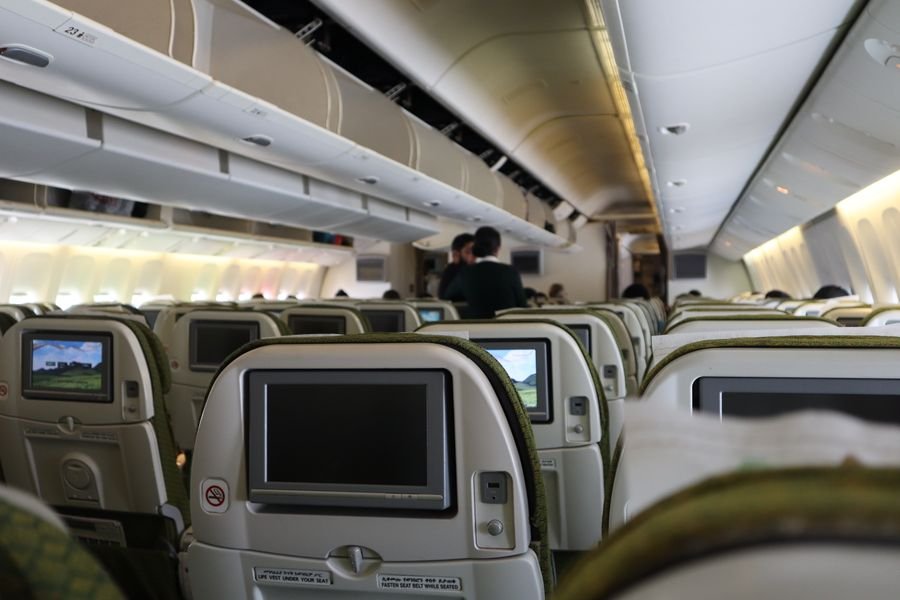
Modern economy seats with seatbelts fastened and upright backs — the everyday configuration required for takeoff and landing safety
Sources: eCFR 14 CFR 25.562; FAA Advisory Circular 20-146A; CAAC / Wikimedia Commons.
8. 2026 Rankings: Who Rules the Skies by Cabin?
Skytrax World Airline Awards 2026 (announced 18 September 2026 in London) recognised the following leaders:
- Overall Best Airline & Best Economy Class — Singapore Airlines
- Best Business Class — Qatar Airways (Qsuite, 13th consecutive year)
- Best First Class overall — Air France (La Première)
- Best First Class Seat — Singapore Airlines Suites
- Best Premium Economy Seat — Emirates
- Best Low-Cost Airline — AirAsia (17th consecutive year)
Sources: Skytrax official results; CNN and USA Today coverage of the 2026 ceremony.
9. Ten Fascinating Airplane-Seat Facts
- A modern First- or Business-Class suite can cost an airline $60,000–$150,000+.
- Your seat must survive a 16g forward crash pulse and still allow rapid evacuation.
- Shaving only a few pounds per seat across a fleet saves thousands of gallons of fuel every year.
- Most airlines still skip Row 13; some also skip Row 17 for cultural reasons.
- An upright seatback is a safety requirement, not merely a cabin-service preference.
- Narrow-body jets now dominate a large share of global seating demand.
- In 1929 a Boeing 80A already offered reading lights above padded wicker seats.
- Early 707 economy seats were about 19 inches wide — wider than many current economy seats.
- The FAA once demonstrated a dark-cabin evacuation of 550 people from a Boeing 777 in under the required time.
- AirAsia has been named World’s Best Low-Cost Airline for 17 consecutive years as of 2026.
10. What Comes Next?
Lighter composite structures, pressure-mapping cushions, wireless charging, modular layouts, better accessibility for passengers with reduced mobility, and continued refinement of privacy doors are all on the industry roadmap. The 90-second evacuation rule and head-impact kinematics remain the ultimate gatekeepers of any new design. The core tension has not changed since 1919: every square foot of cabin is a decision about comfort, privacy, density or fuel efficiency.
Key Takeaway
The airplane seat evolved from a simple wicker chair into a sophisticated aerospace product that must simultaneously satisfy human comfort, crash-safety certification, weight limits and airline economics. When you choose a flight, use seat maps, aircraft-specific data and independent rankings. On long-haul journeys, a well-designed premium-economy seat is often the smart middle ground between cramped economy and expensive suites.
Frequently Asked Questions
What is seat pitch and why does it matter?
Seat pitch is the distance from a fixed point on one seat to the same point on the seat ahead. It is the main proxy for legroom, although cushion thickness, seatback slimness and recline angle also affect how spacious a seat feels.
Why must the seatback be upright for takeoff and landing?
An upright seat places the structure in its strongest crash-certified geometry and keeps the aisle clear for evacuation.
Which airline has the best business-class seat in 2026?
According to the Skytrax World Airline Awards 2026, Qatar Airways’ Qsuite remains the top-rated business-class product.
Is first class still worth the price?
Density pressure remains strong in economy, especially on short- and medium-haul flights. Competition, regulation and the growth of premium-economy products are the main forces that protect or improve space in higher cabins. Expect more segmentation rather than uniform further shrinkage.
Will economy seats keep getting smaller?
Density pressure remains strong in economy, especially on short- and medium-haul flights. Competition, regulation and the growth of premium-economy products are the main forces that protect or improve space in higher cabins. Expect more segmentation rather than uniform further shrinkage.
When did the modern lie-flat business-class seat appear?
British Airways introduced a fully flat bed in first class in the mid-1990s and launched the first widely available fully flat business-class product (Club World) in 2000. Most major long-haul carriers followed within a decade.